
June 17 to 27, 2027
Fire Path Huachuma Retreat in the Sacred Valley
Ten days in Peru for experienced seekers, with three ceremonies, two on the mountain and one all night by the fire.


The next season
The Next Fire Path
June 17 to 27, 2027
There are ten nights and nine places.
Registration is open. Apply, and we will talk it through before anything is booked.
We take one group at a time to Pisac, in the Sacred Valley. The price starts at $4,000, and $500 holds your place.
The Fire Path is for people who have been on retreat with us before, or who have worked with Huachuma or Peyote and know these medicines and how they affect them. Generally, it is people returning from an earlier year. If that is not you yet, the Heart Path is the one to apply for.
See the Heart Path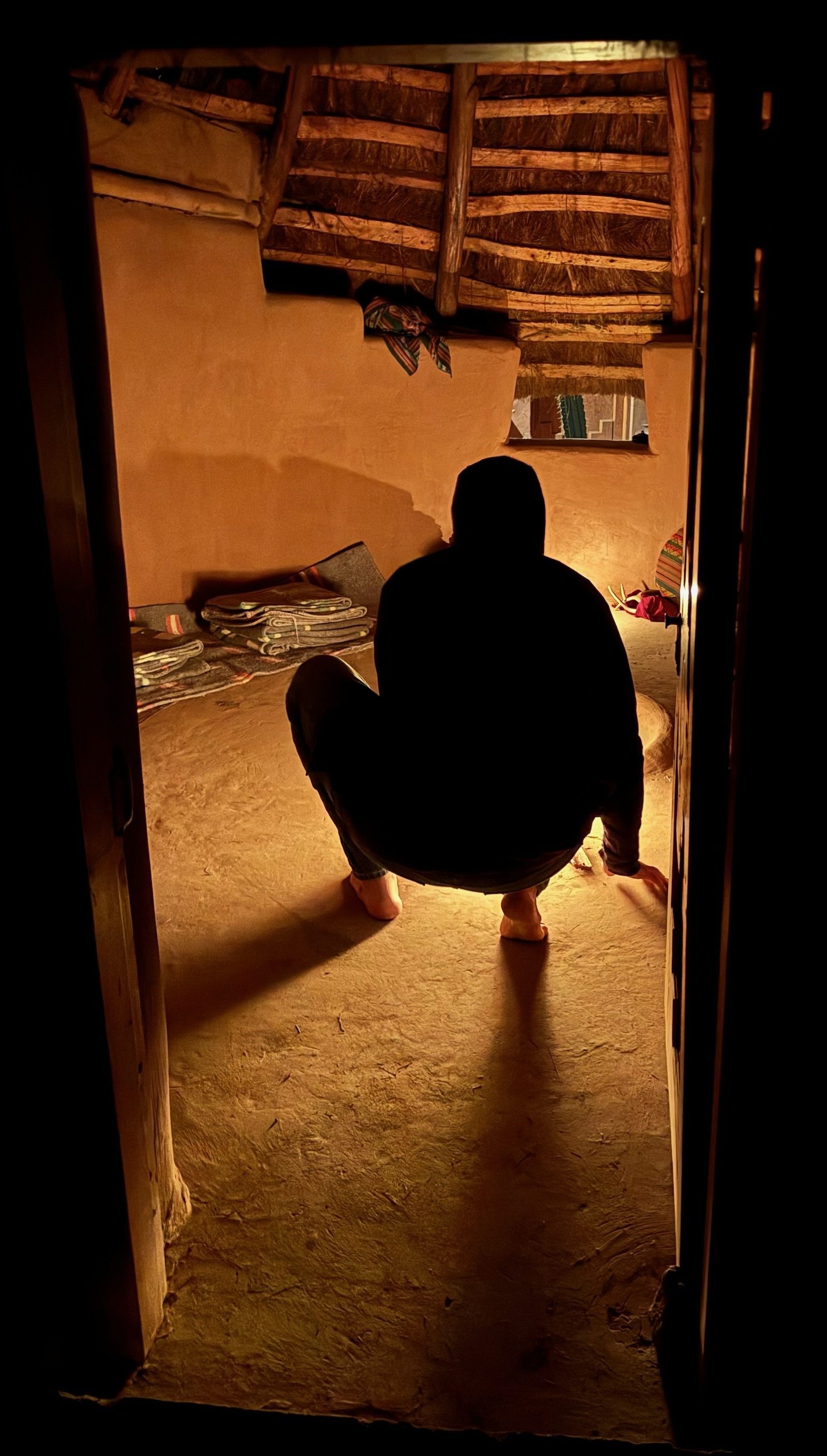
Photographs
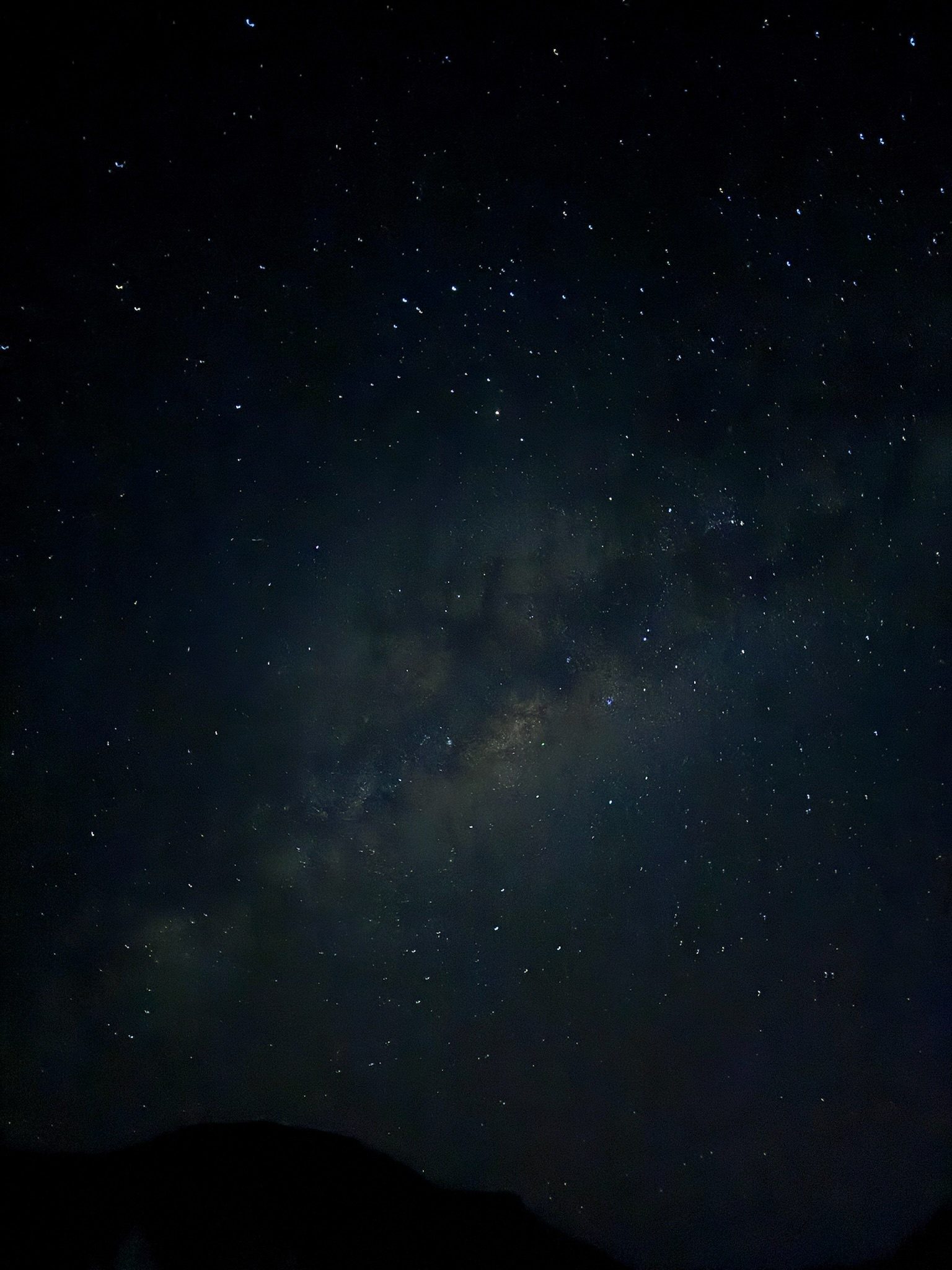
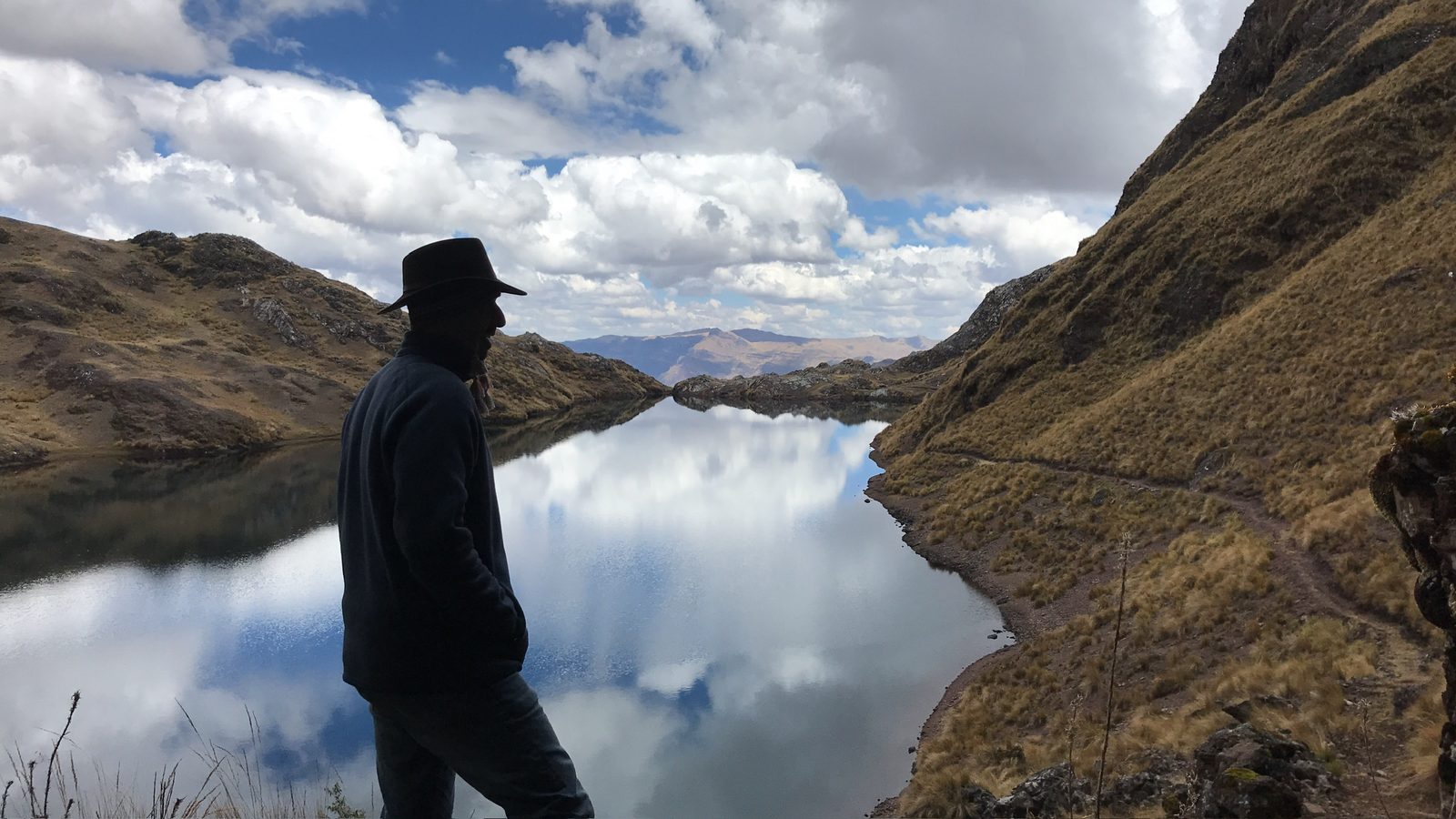
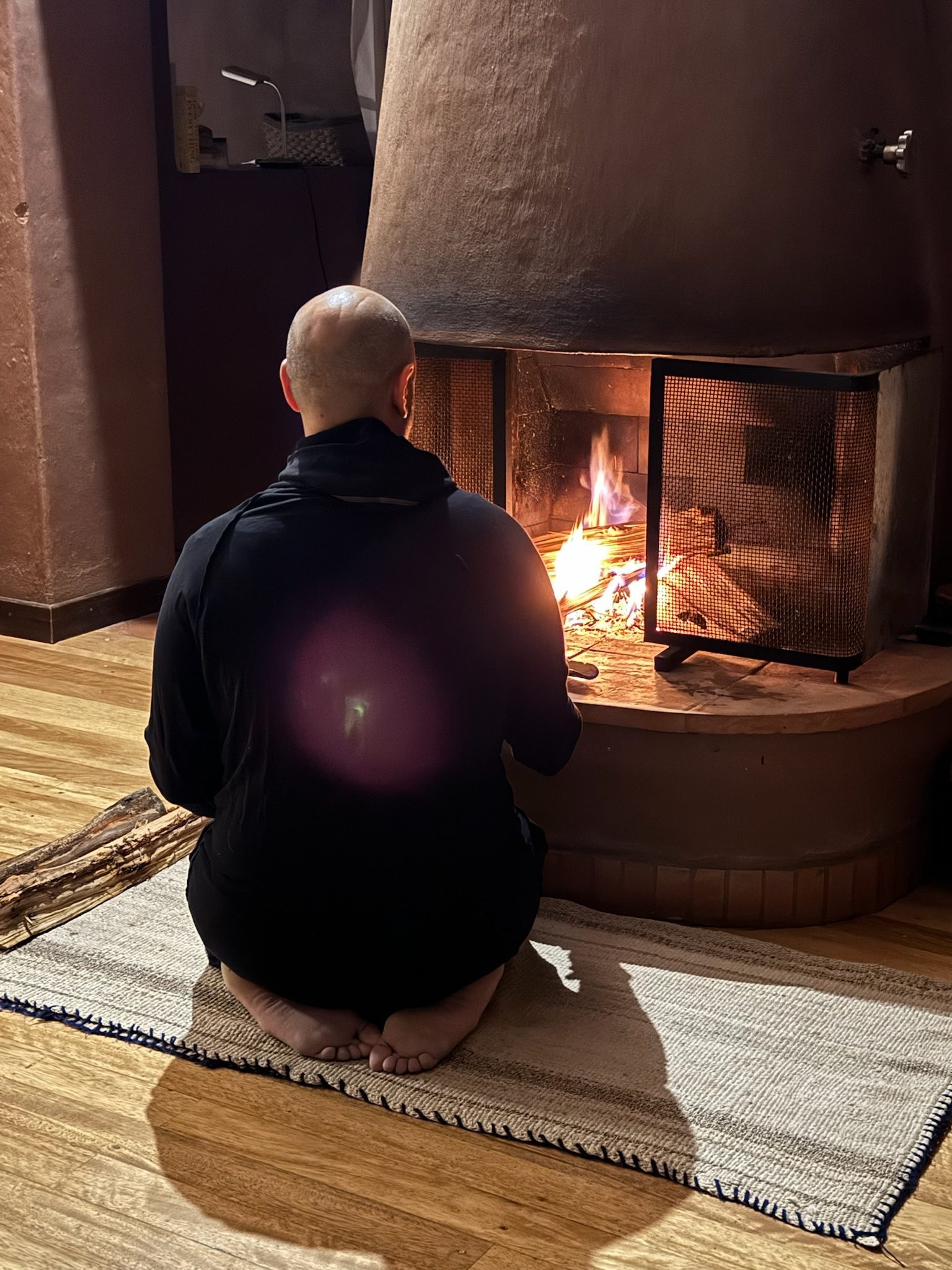
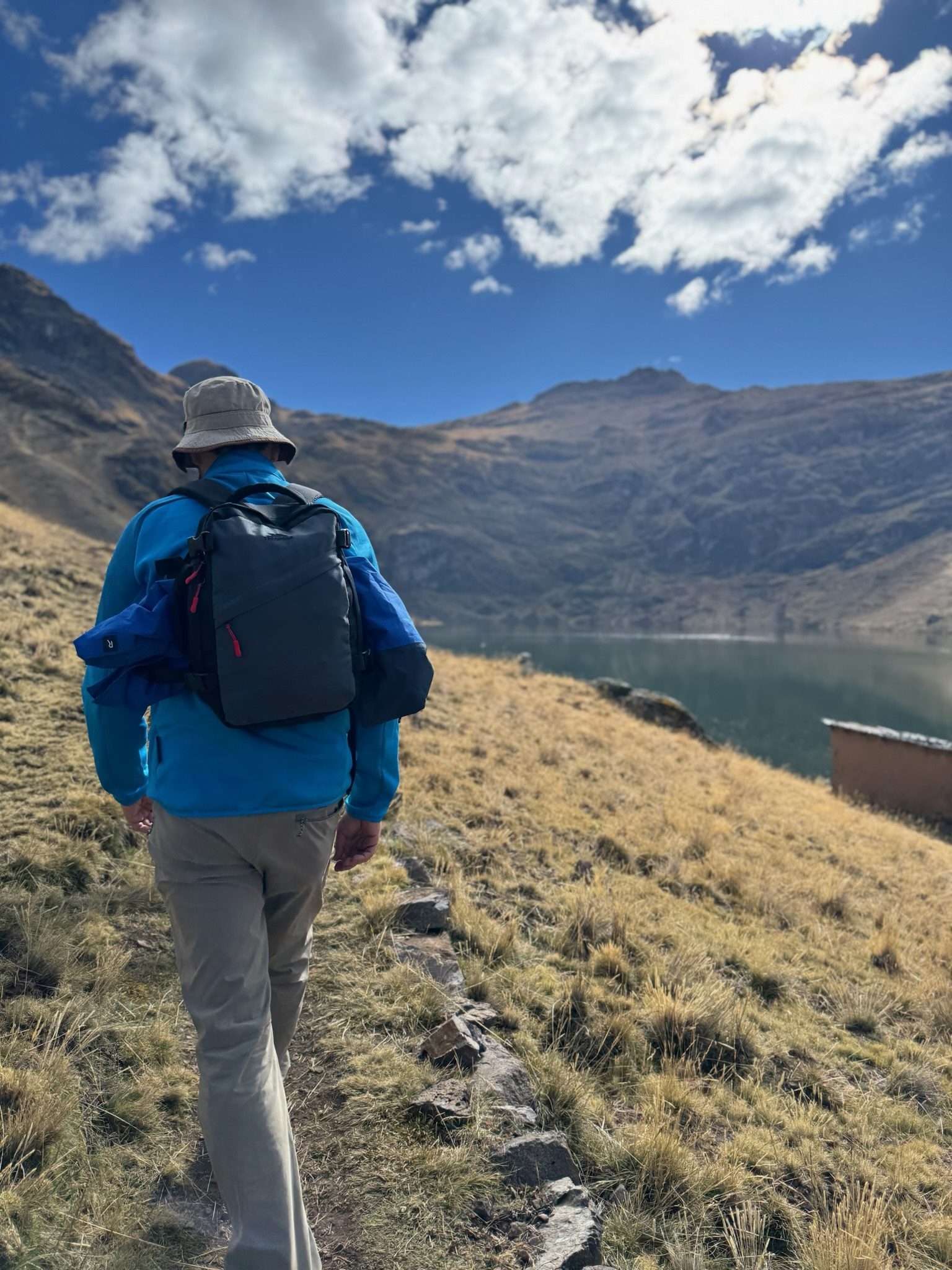
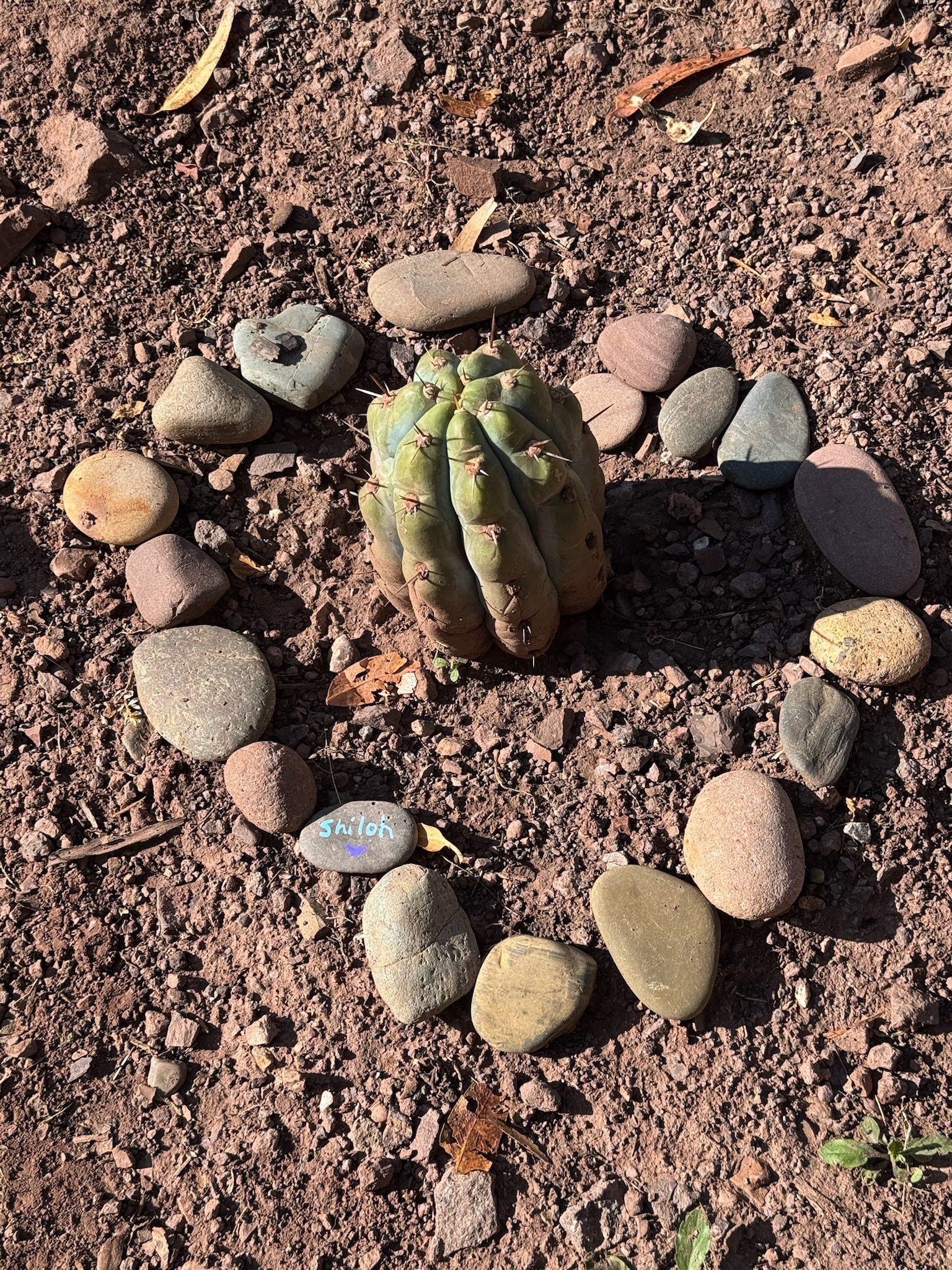
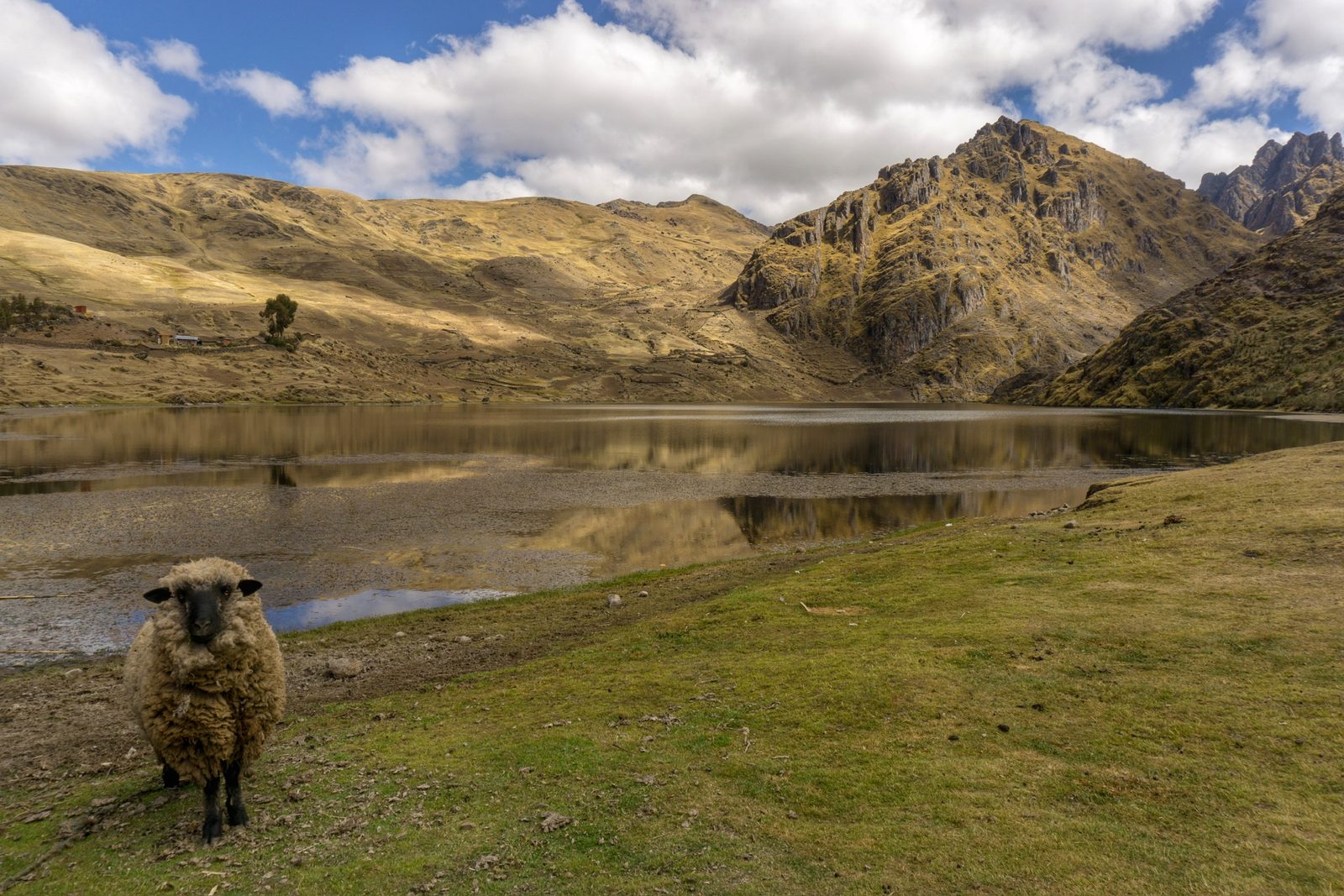
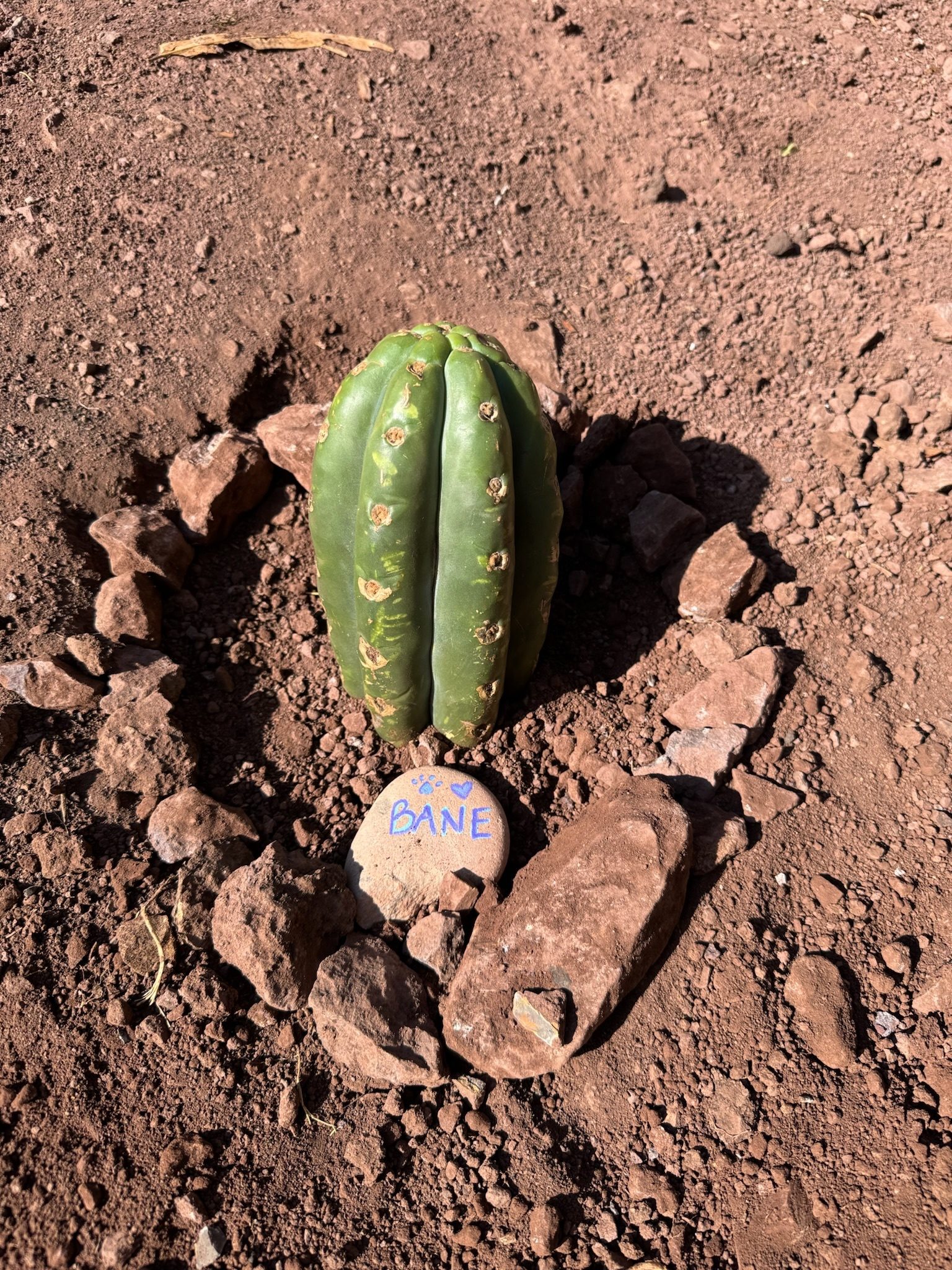
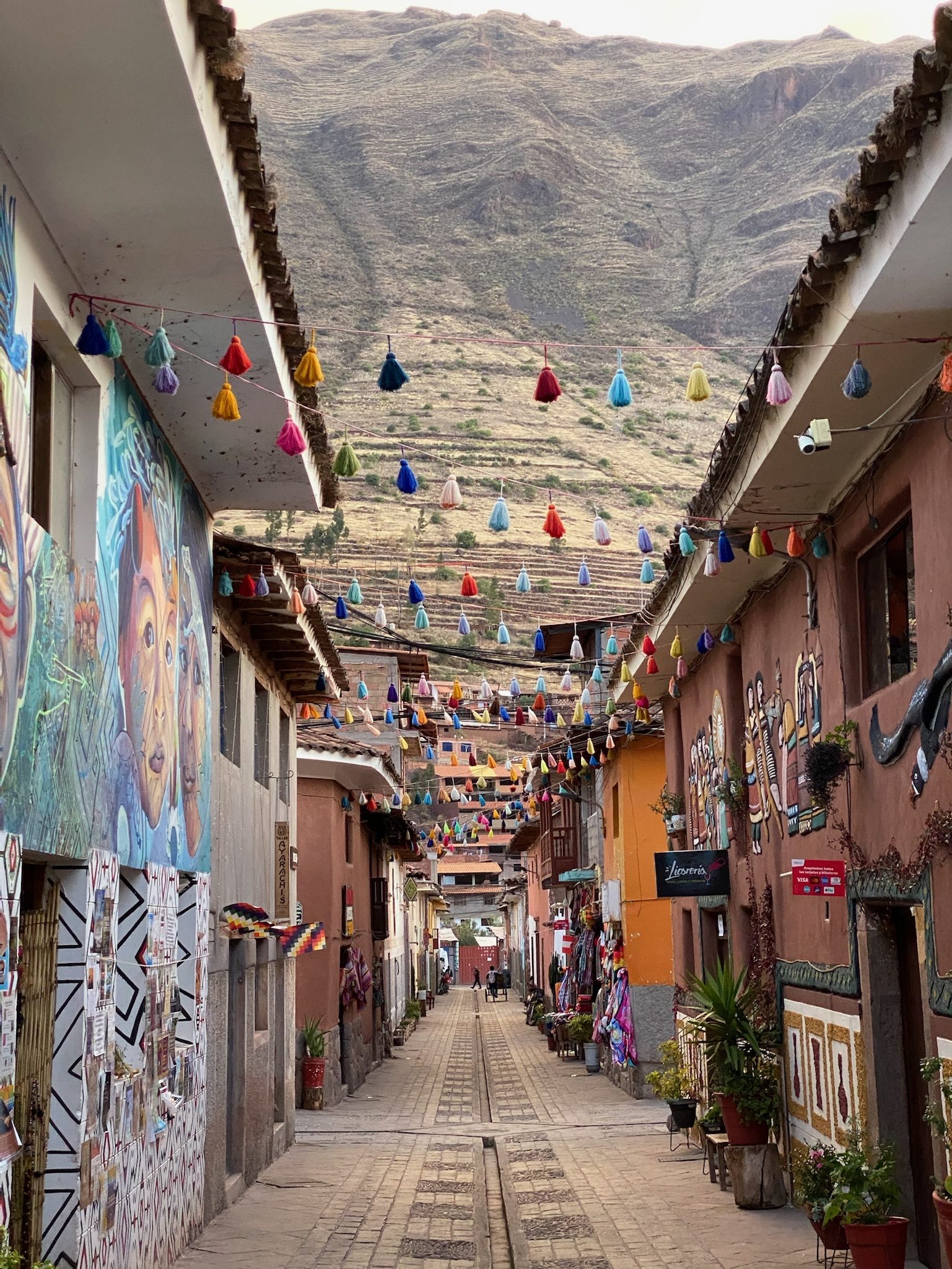
Ten Days in Pisac
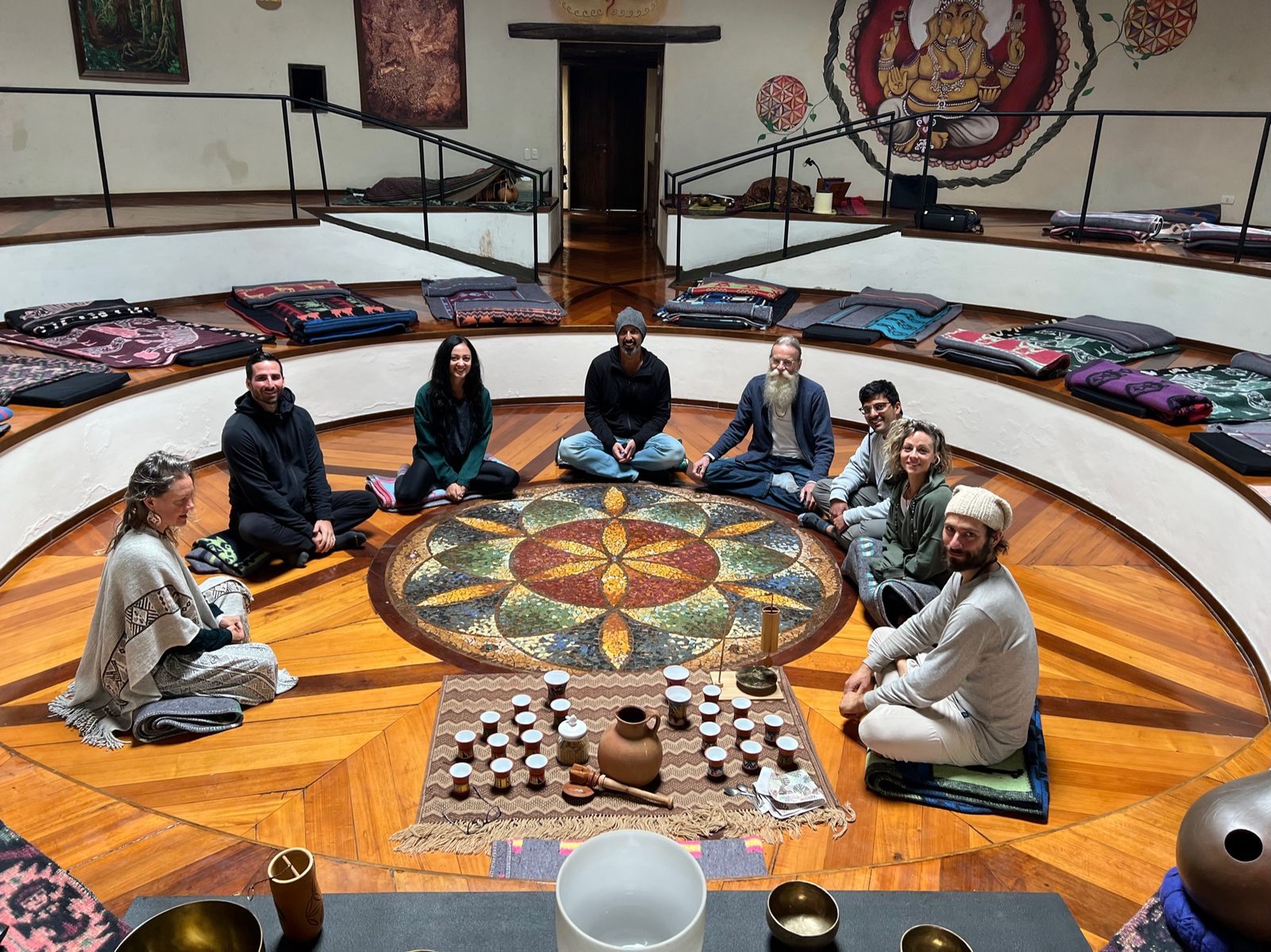
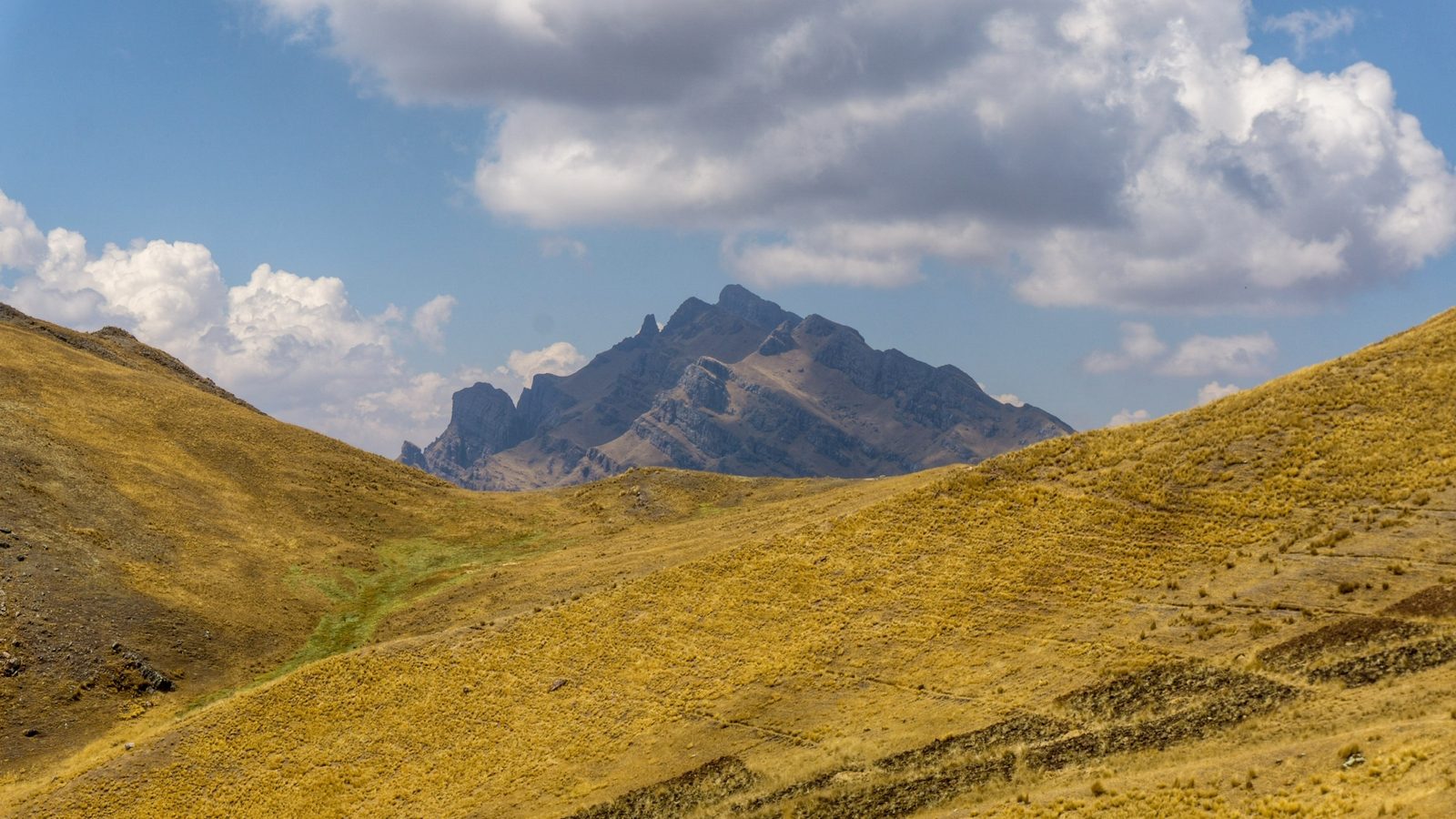
We stay in Pisac, in the Sacred Valley of Peru, within walking distance of the center of town.
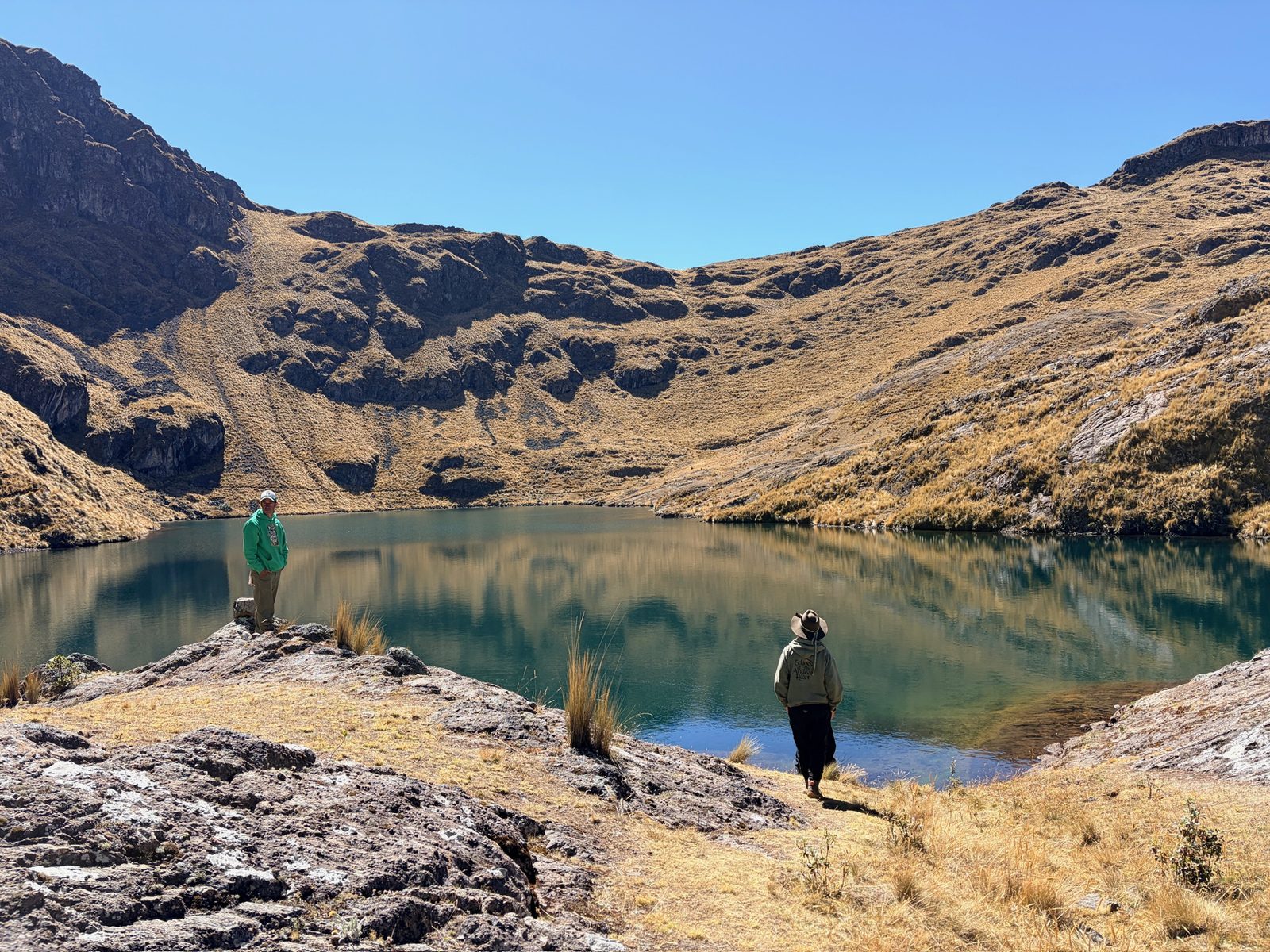
In Peru we sit in three ceremonies, two outdoors on the mountain and one all night by the fire, see the sacred sites of the valley, and on the last full day plant cactus at the Huachuma Sanctuary, together the whole way. We keep learning the whole time we are there. Before the trip, four preparation calls go through the history of the plant, the science, how it grows and how a ceremony works.
The medicine
The Plant
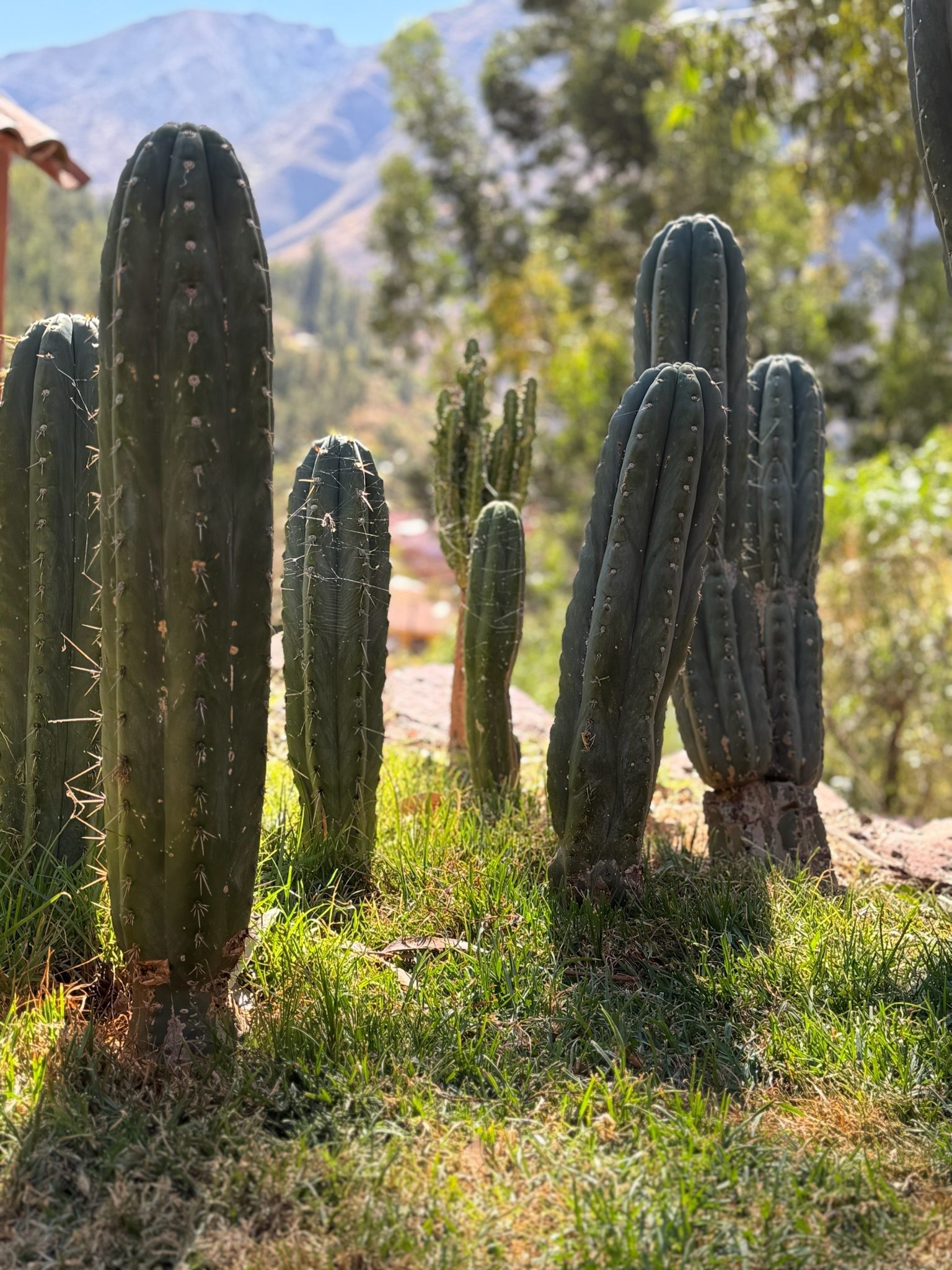
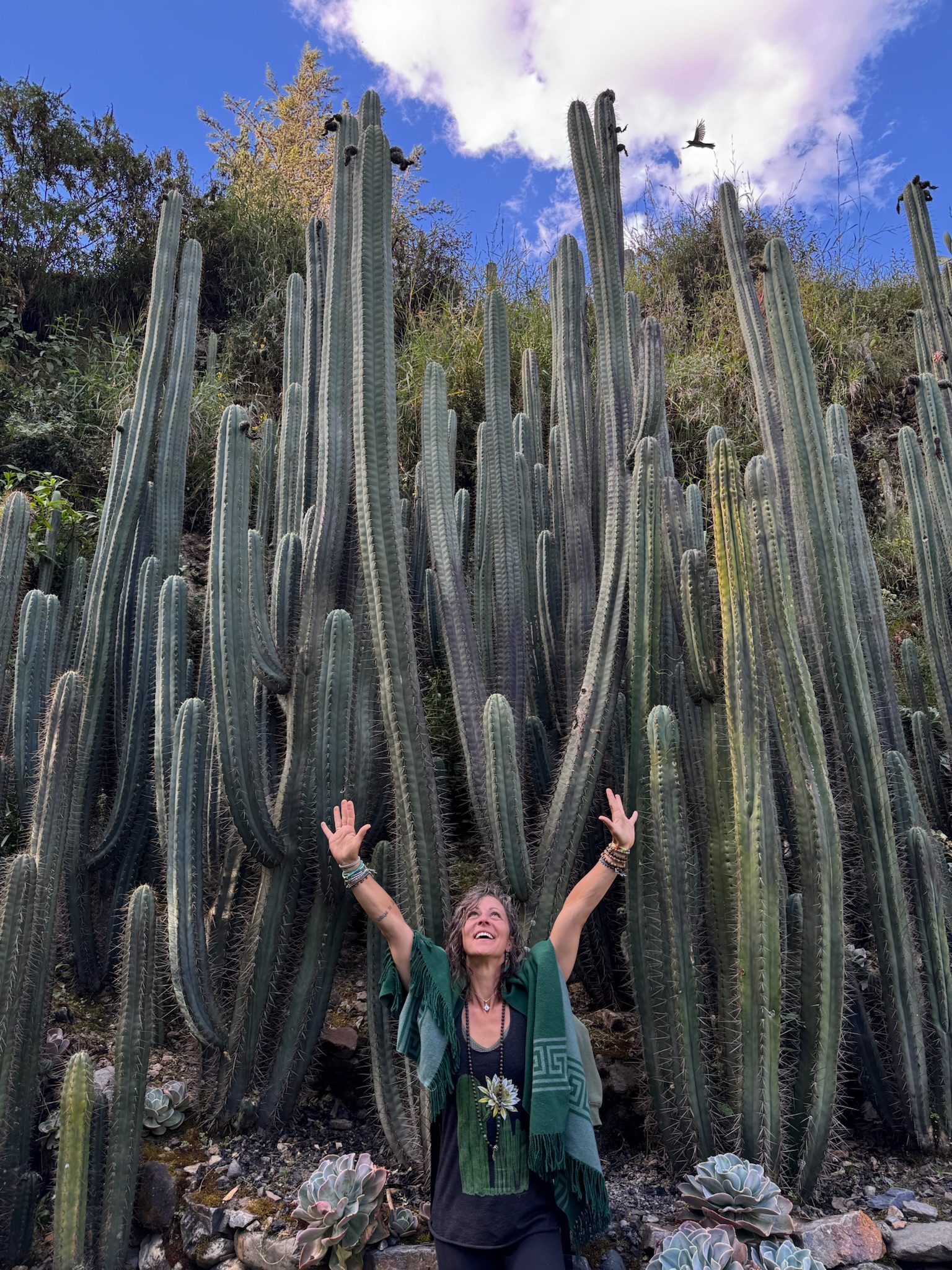
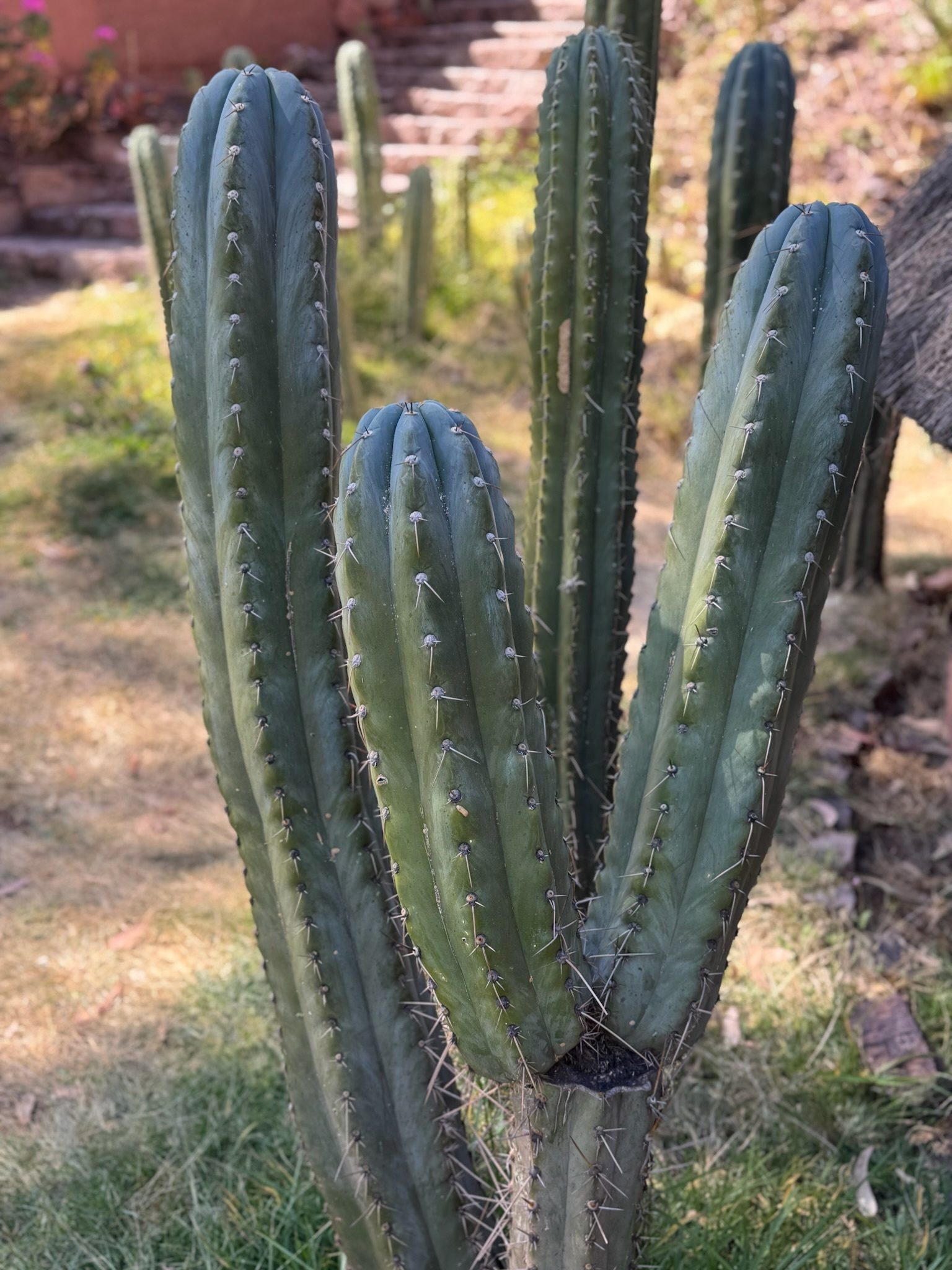
Huachuma is a columnar cactus from the Andes, Echinopsis pachanoi, which older books call Trichocereus pachanoi. People in this part of the world have used it for around three thousand years, and they have never stopped.
The Quechua name is usually read as waqcha uma, roughly “without a head”. The name describes what the plant does: it quiets the analytical mind and moves your attention from the head to the heart.
It is also called San Pedro, after the saint who holds the keys. That name dates from the years when the Church was trying to end the practice, and the practice survived in part by taking it on. The plant also goes by Wachuma, Achuma and Aguacolla, sometimes spelled Aguacoya.
Learning
What You Will Learn
Most of this we cover on the four preparation calls before the trip. The rest we learn in Peru, from the place, the people and the ceremonies.
History
The record starts at Chavin de Huantar, a temple complex in the northern highlands from roughly 900 to 200 BCE. The plant is carved into its stonework, held by a figure at the center of the site, so it was already at the center of religious life there.
In 1532 the Spanish arrived, and at Cajamarca they seized Atahualpa. For the next three centuries the medicine was recorded as heresy and the people who used it were prosecuted. The Peruvian Inquisition ended in 1820, and the practice outlived it.
Part of how it survived is that some priests tried the medicine themselves and came back wanting to reconcile what they found with their own faith. The name San Pedro comes from that time. The practice took on the vocabulary of the people trying to end it and carried on underneath.
Science
We go through what mescaline is and what it does, including what is well established and what is still argued over. Most substances people reach for turn the volume down, and this one turns it up.
Mescaline gets most of the attention because it was isolated early and comes out of the plant easily, but it is one compound among many. There are tyramines too, a long list of others, and fats, sugars and minerals. When five alkaloids are recorded in a cactus, those are the five that could be identified with the methods available, and there may be hundreds.
Cultivation
Huachuma grows slowly from seed and readily from a cutting, and it grows differently depending on where in the Andes it is. We see several varieties growing in one place and learn to tell them apart.
Its spines are too small to protect it from anything. One explanation is that they are left over from an ancestor that needed them. Another, from people who have spent time watching the plant, is that they catch dew and run the water down to the skin.
Demand has grown fast, and wild plants are being cut faster than they grow back. That is the problem the Foundation works on, and we plant some ourselves at the Huachuma Sanctuary.
Ceremonial Use
Huachuma has been used in ceremony in many different ways over three thousand years, and it still is. On the calls we go through how the ceremonies on this retreat are held: where the circle sits and why it sits close enough to touch, and how the day moves from first light to the end.
A stick, a rattle and a feather are passed around the circle. You hold the stick in your left hand and the rattle in your right, crossed over it, with the feather in the fingers of your left. They are an invitation to sing. Nobody has to, and you can pass them on.
Everything moves clockwise. You pass in front of people, not behind them, and you do not point the soles of your feet at the altar. Small rules like these let nine people move around the circle without anyone having to negotiate.
Ceremonies are held in noble silence, which means staying inside your own experience. The urge to speak in the middle of a ceremony is usually an urge to get out of a feeling, and you will learn what to do with it, and what to say if someone speaks to you.
The preparation calls also cover confidentiality, boundaries, asking before you touch someone or offer advice, and how to witness someone without trying to fix them. These are practiced for the whole ten days.
Miguel’s framework
Four Doors, and a Map of a Life
Miguel works with four doors and he opens them in order. Each has an element and an animal, and each stands for a season of a life.
The East is fire and the puma, for childhood and coming into presence. The West is water and the eagle, for youth and the opening of perspective. The North is air and the deer, for the generations behind you and ahead of you. The South is earth and the snake, for elderhood and staying close to the ground.
As Miguel puts it, we need a map to navigate the terrain. The framework is his to teach, and the preparation calls go further into it before the trip.
Before and after
Before and After the Ten Days
The calls before and the sessions after are online, so the only travel is the ten days.
In Peru there are the three ceremonies, the visit to the Sanctuary, the ancient sites, and open days in between. Before the trip there are four weekly calls with the whole group, on history, science, ceremony and packing. After we get home there are four group integration sessions, spread over the following months, which is when most of the questions come up.
Suggested reading before you travel: San Pedro Huachuma: Opening the Pathways of the Heart, by Javier Regueiro.

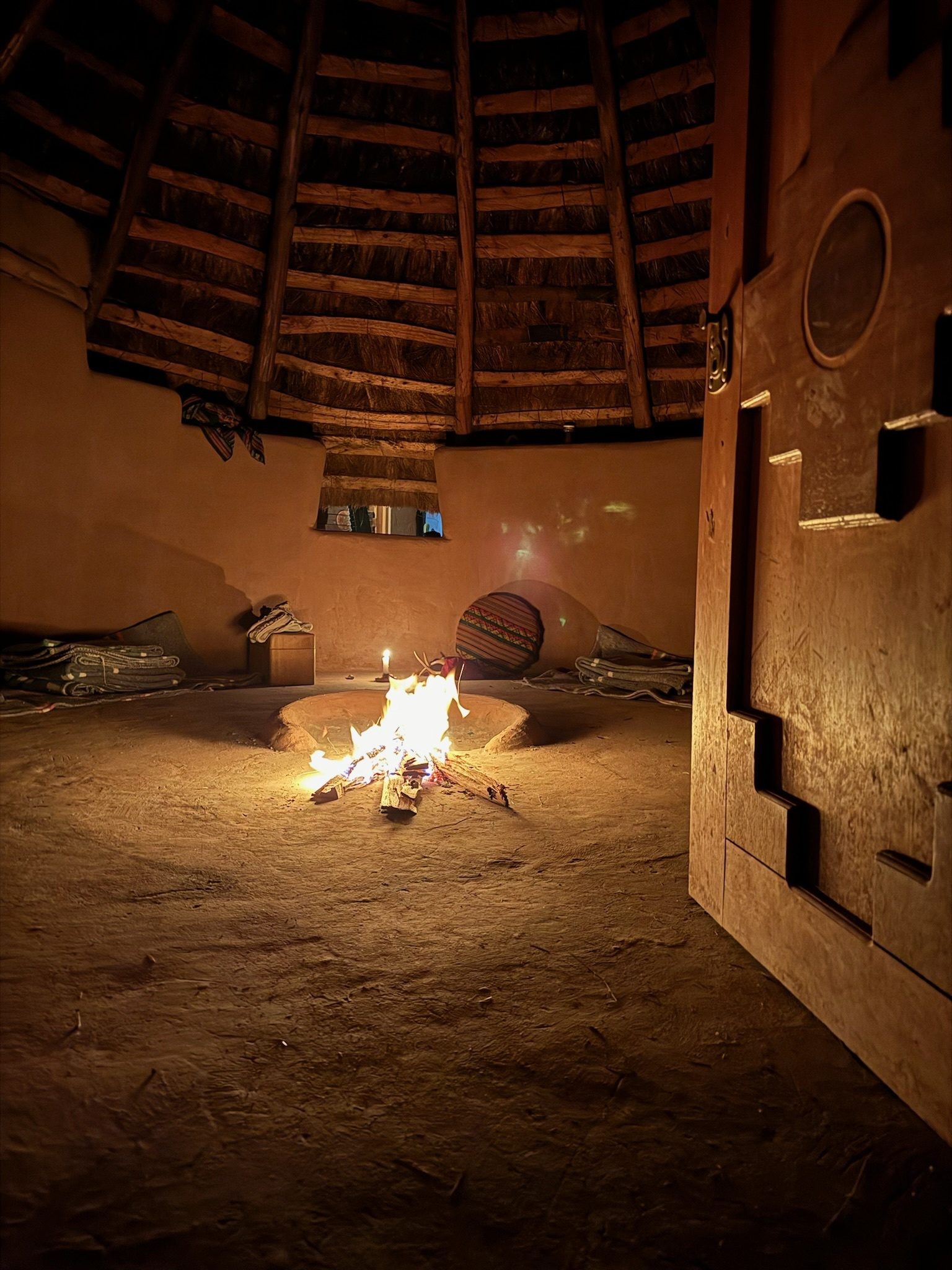
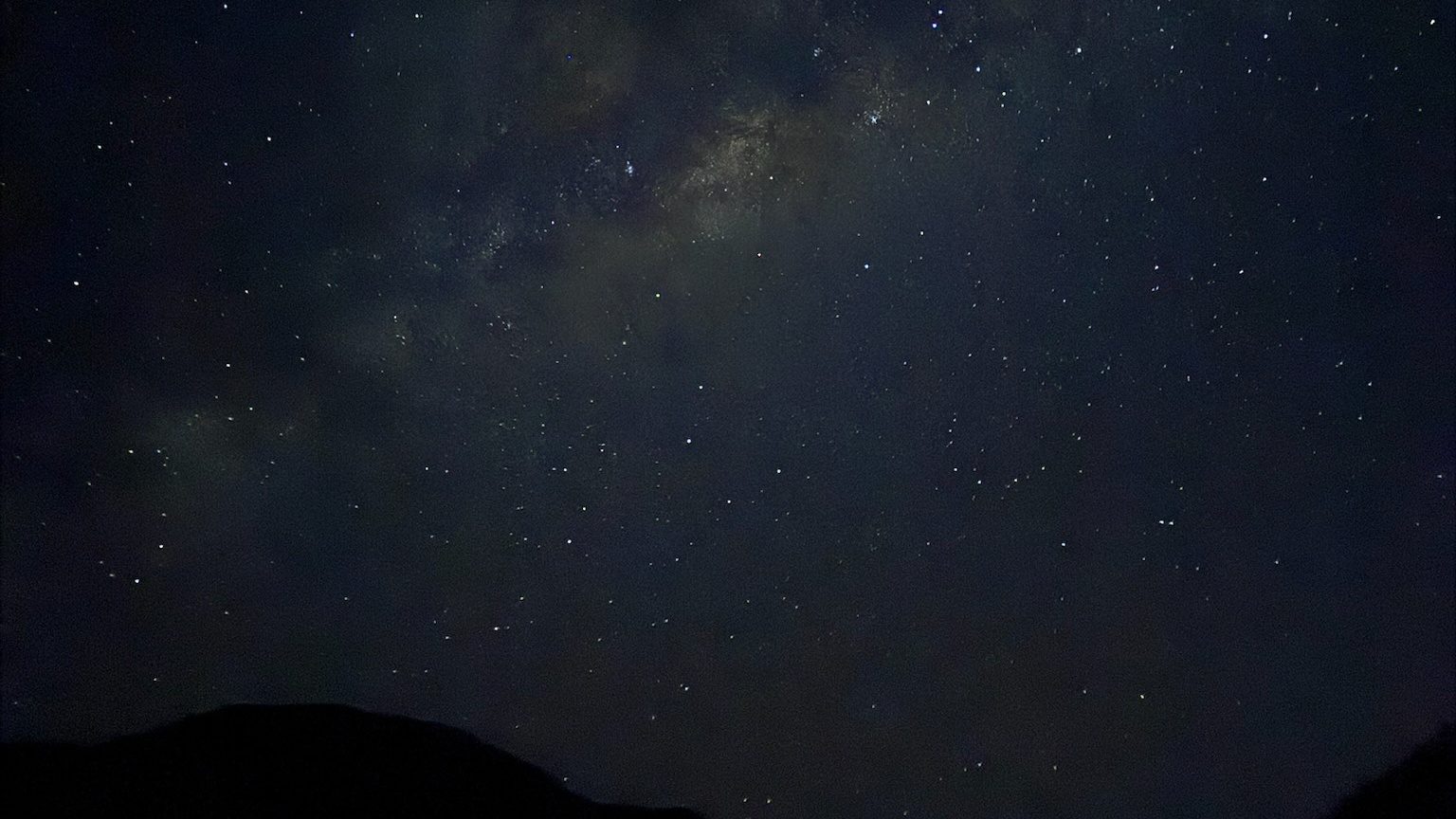
The all night fire ceremony is the reason this path exists.
The shape of it
The Ten Days
The days follow a rough plan, since the weather and the group both change things. We arrive on the first day and leave on the eleventh, which makes ten nights.
How the Days Run.
On the two mountain days we leave in the morning and come down as the light goes. The fire ceremony starts on the evening after the second mountain day and runs until dawn, and the day after it is for rest. Nearly all the other time goes to integration, with little sightseeing. Miguel Mendiburu guides all three ceremonies.
We guide gently and you set the pace. Rest is part of the work here.
Preservation
Planting at the Sanctuary
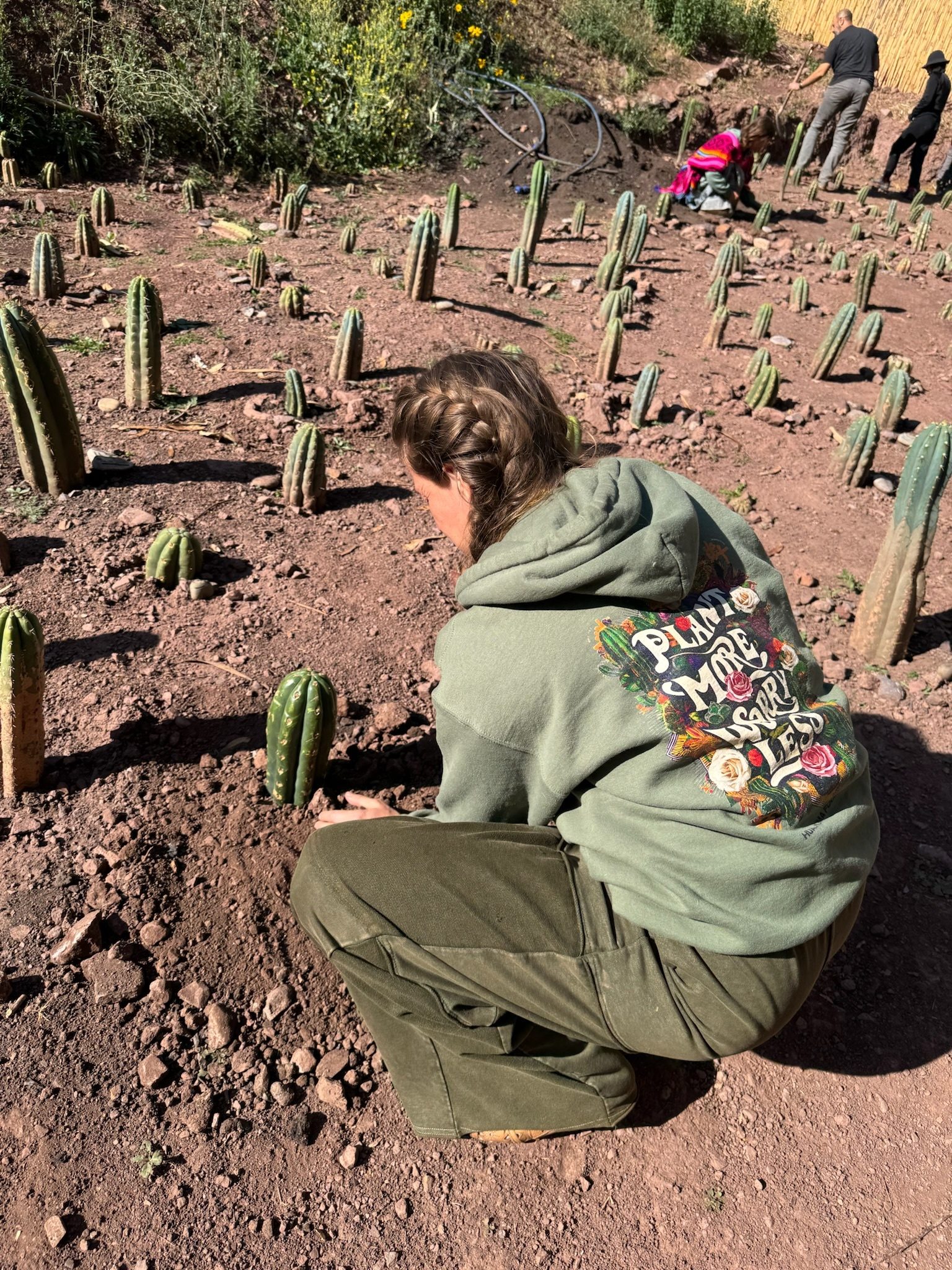
Wild Huachuma is being cut faster than it grows back. At the Huachuma Sanctuary, mature plants are protected and new ones are propagated, with several hundred in the ground already and room on the hillside for five thousand.
Every group plants there, after learning what is growing and why.
Huachuma Works LLC is wholly owned by the Huachuma Foundation, a 501(c)(3) in Arizona. Any profit this company makes is returned to the Foundation and applied to its charitable purposes.
Your guides
Who You Will Be With
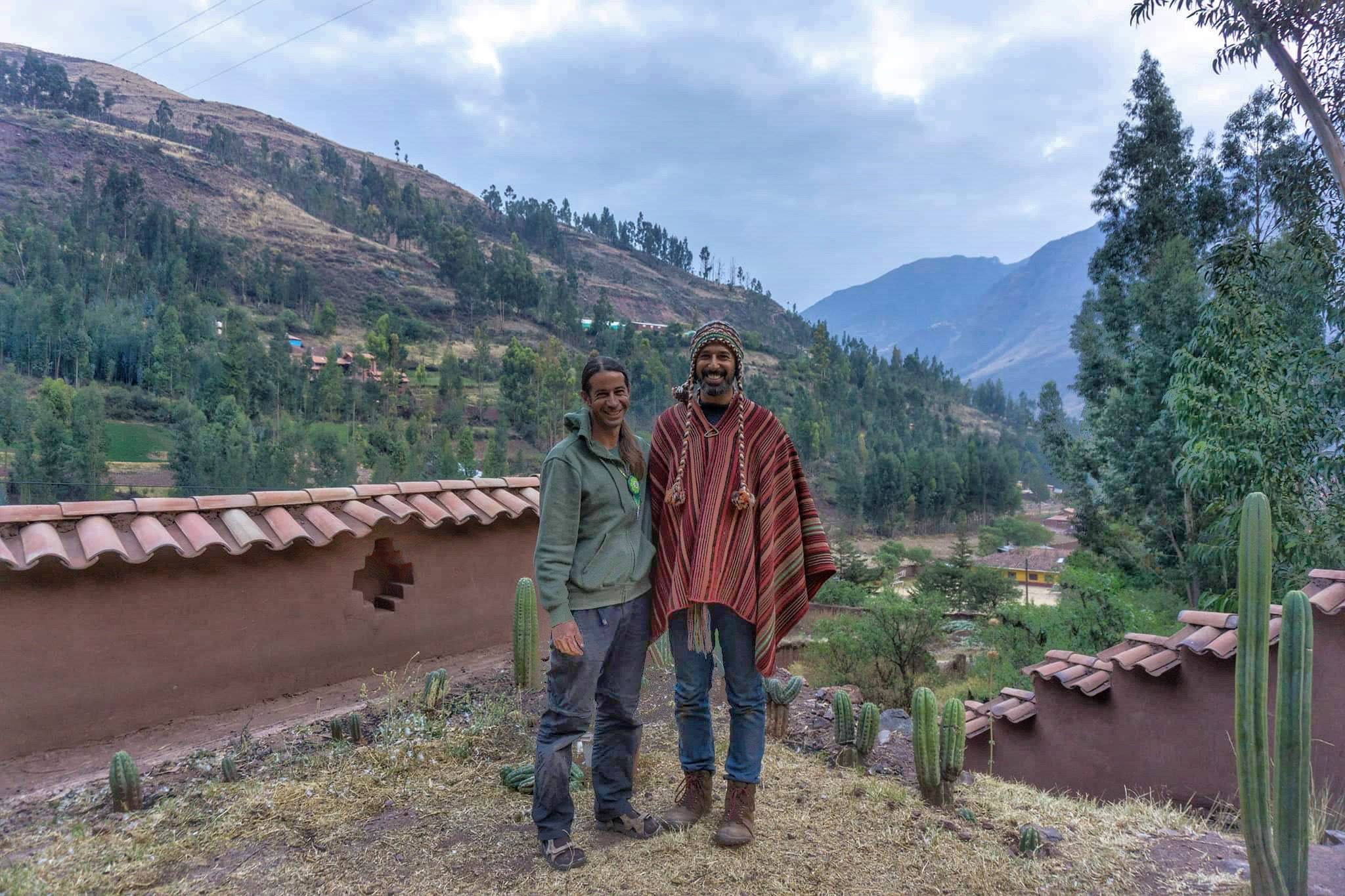
Hamid Jabbar
Space holder and facilitator, founder of the Huachuma Foundation
Hamid is with every group, from the first call to the last. He studied music at NYU on a scholarship, then earned a law degree at UCLA and practiced law in Los Angeles for several years. He has practiced yoga and meditation since 2005 and taught them since 2013, and he has worked with Huachuma, and with the people who hold its ceremonies in Peru, since 2017.
He founded the Huachuma Foundation and is its director.
Miguel Mendiburu
Ceremony facilitator, Sacred Valley
Miguel has offered Huachuma ceremonies for more than twenty years from his home in the Sacred Valley. His way is gentle and unhurried. He guides people into states of unity and remembering.
Miguel owns the land where the Huachuma Sanctuary is growing, and the preservation project was his idea.
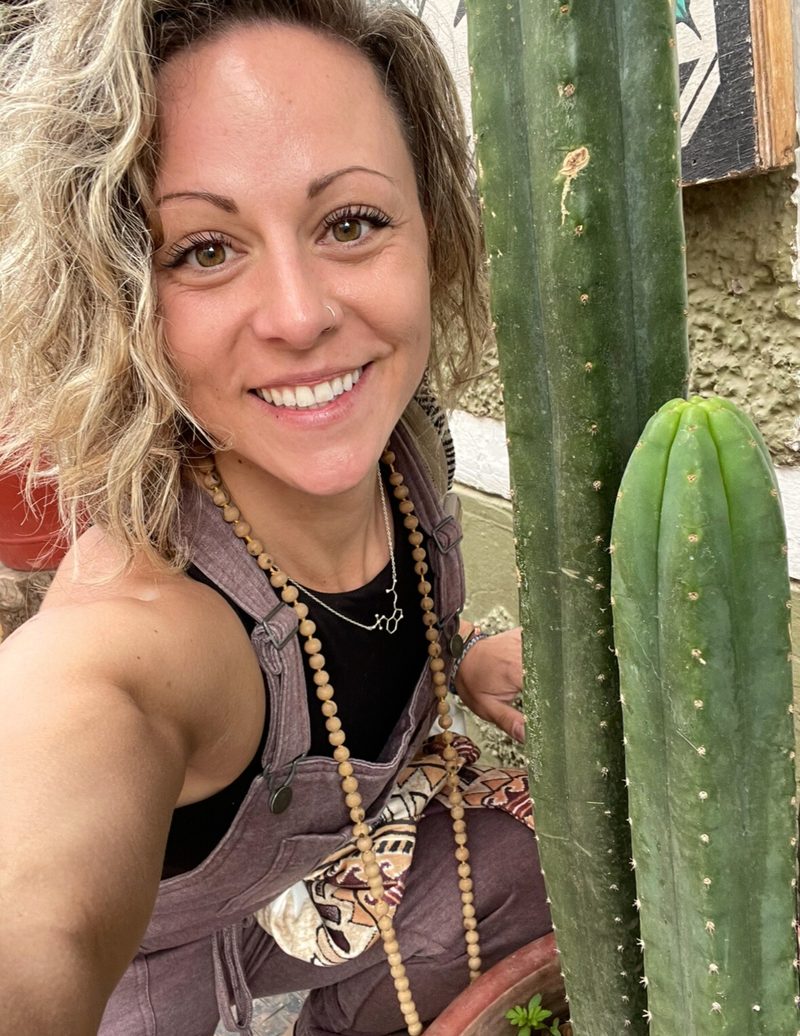
Dani Reardon
Yoga instructor, sound practitioner and ceremony facilitator, Secretary of the Huachuma Foundation
Dani came to this work from professional fitness. She is a certified yoga instructor, sound practitioner and ceremony facilitator, and a devoted student of Huachuma.
As a professional fitness athlete she placed second in the world in Women’s Physique, and she earned her Master of Science in Applied Exercise Physiology and Nutrition. She has planted at the Sanctuary with every group so far.
The house
Where We Stay
We stay at Martina Wasi, a private Andean villa a ten minute walk from the center of Pisac, on more than four thousand square meters of garden and farmland with the mountains right behind it.
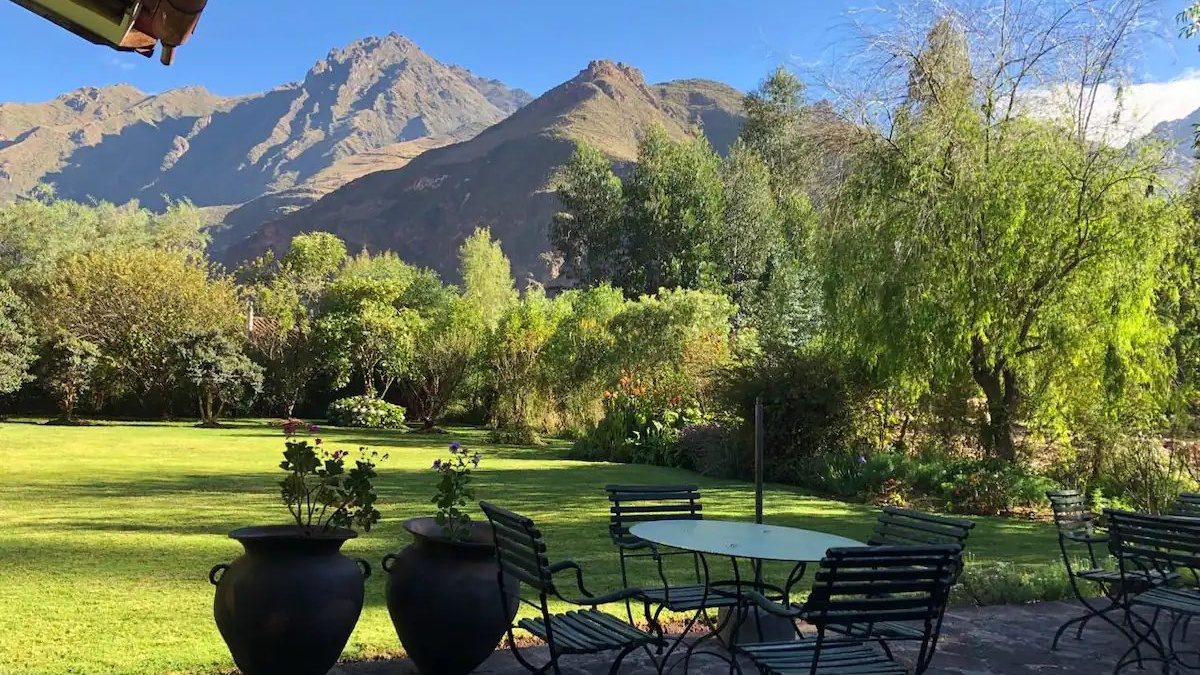
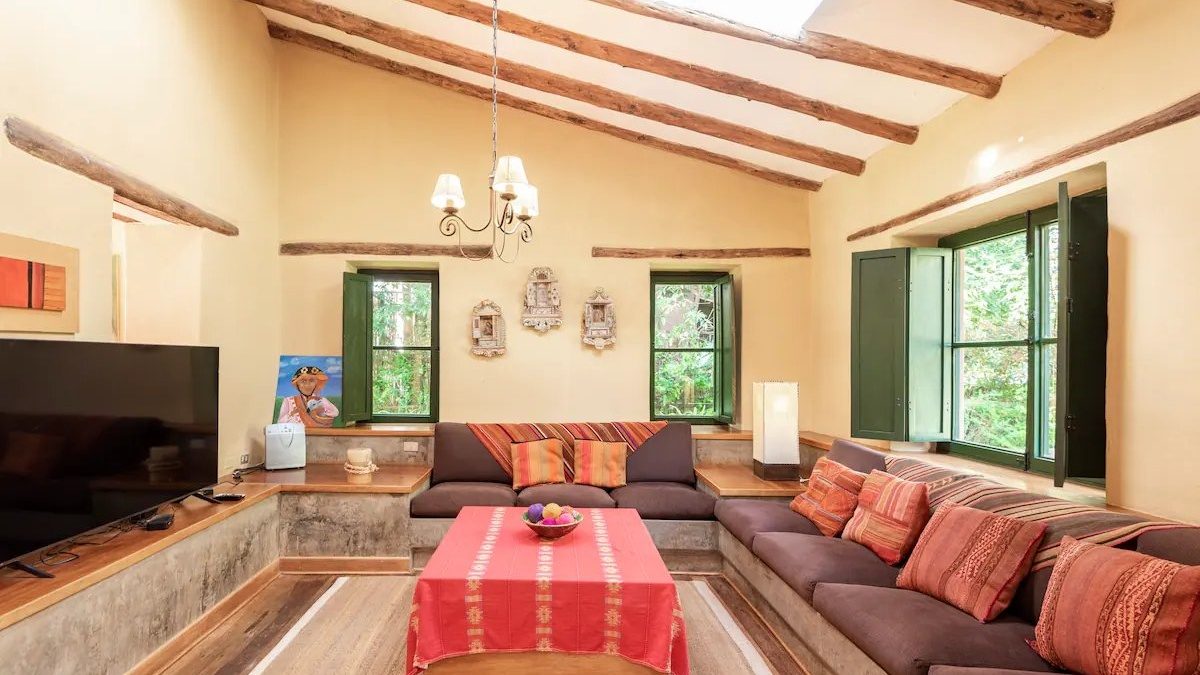
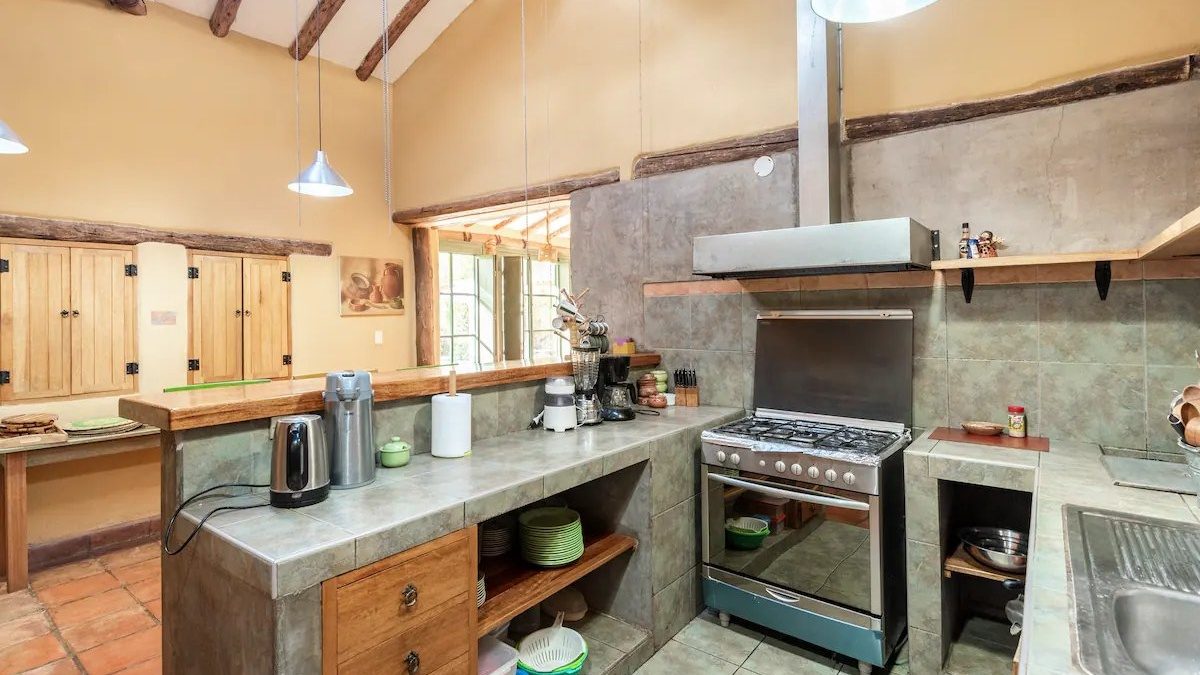
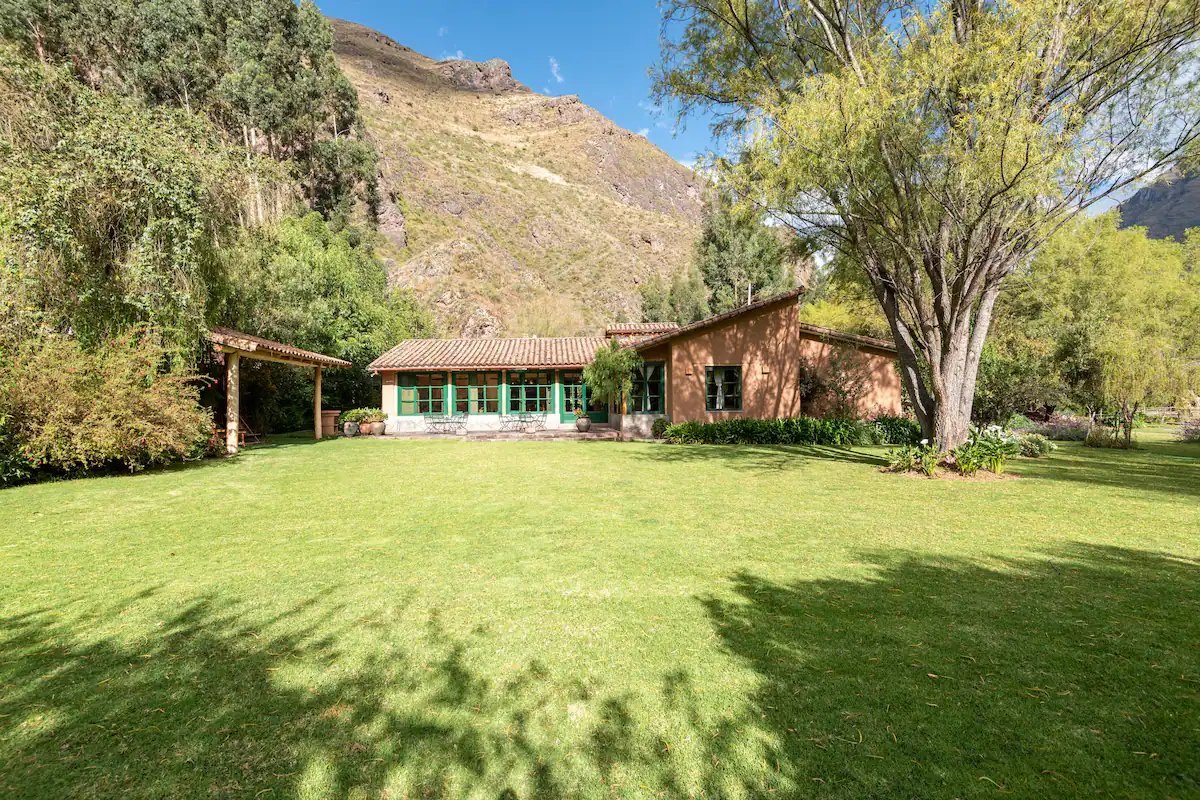
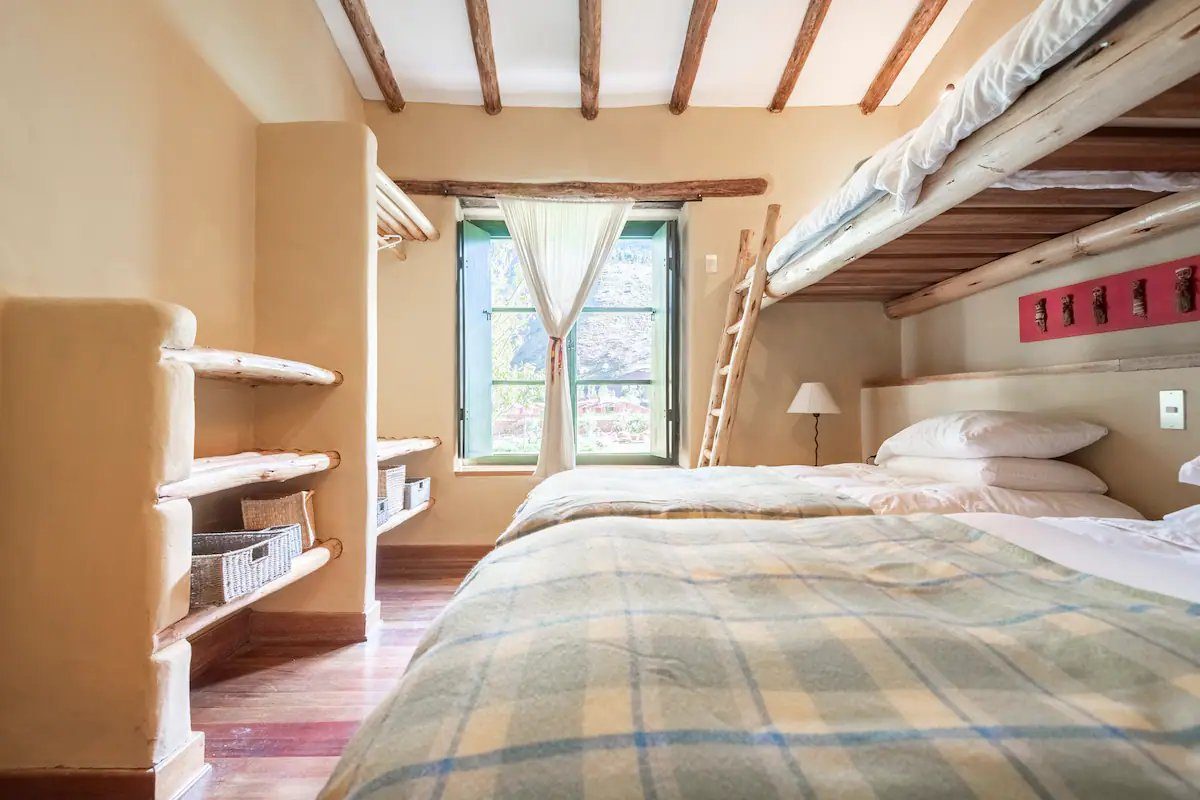
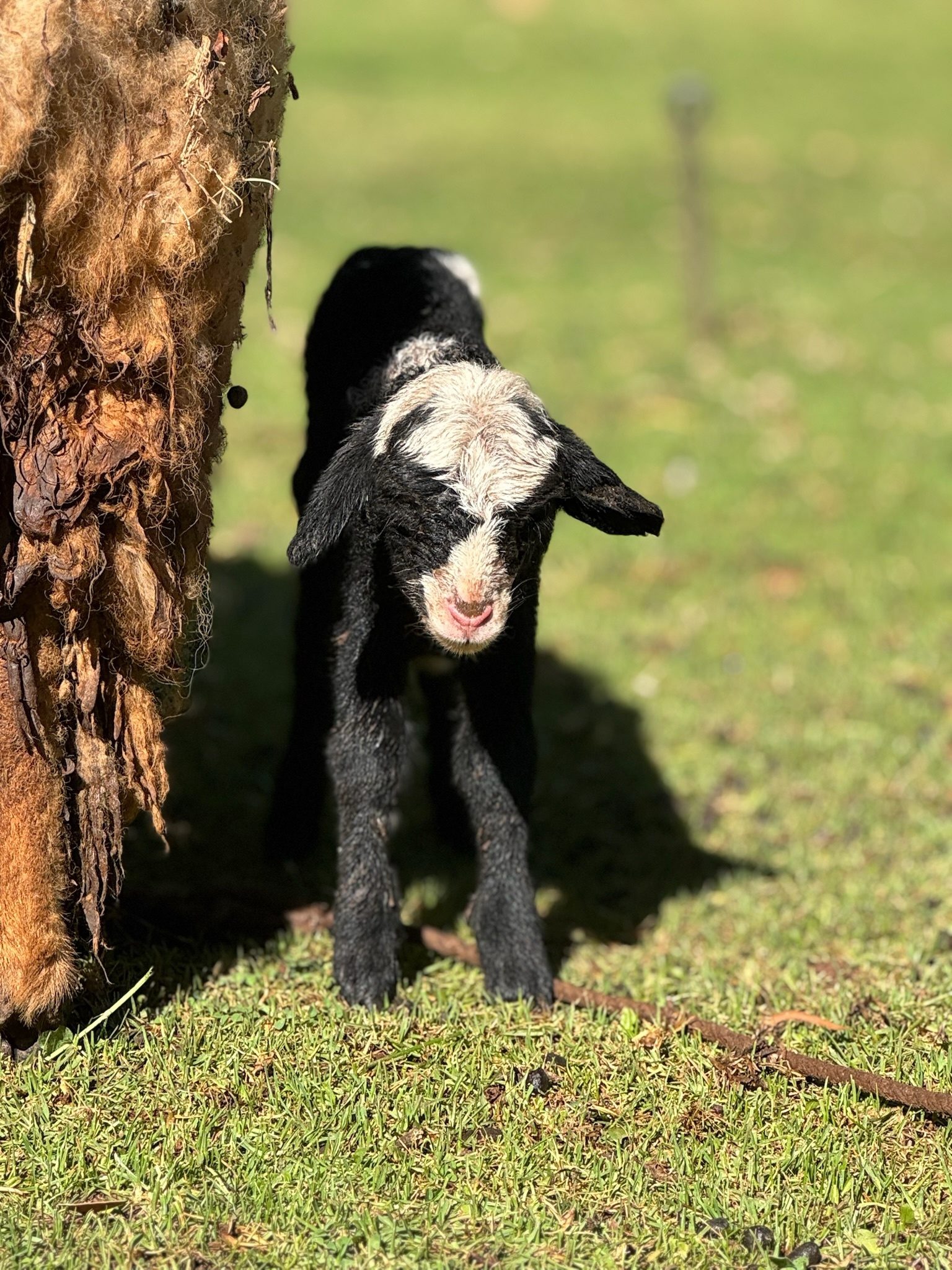
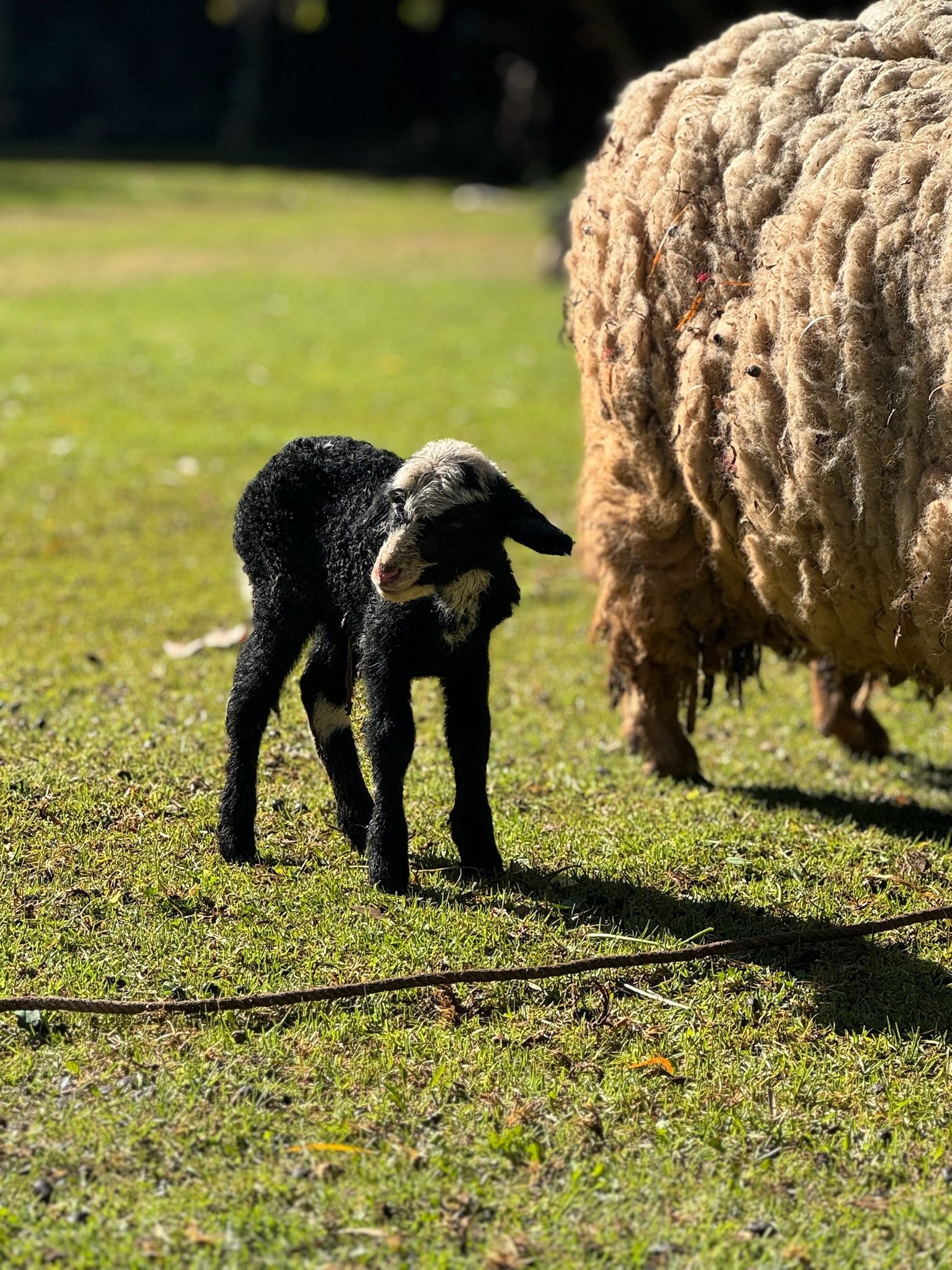
The house has local textiles, a fireplace in the common room, a full kitchen, laundry, a dining room and a game area. Sheep, guinea pigs and several unserious dogs live on the property.
Breakfast and dinner are cooked from fresh local ingredients, with no seed oils and no processed food. Tell us about allergies and restrictions in the application and the cook will work around them. Lunch is on your own.
Four Ways to Sleep
A shared room has two to four beds and a shared bathroom, assigned by gender unless you tell us otherwise. A private single room comes with a private bathroom. A bungalow has its own kitchen, patio and fireplace, and is popular with couples. The premium private suites are the largest and most private rooms we have.
Bungalows and premium suites are usually at Karina Wasi next door, which has its own kitchens, patios and fireplaces. Rooms go in the order deposits arrive.
The town
Pisac and the Sacred Valley
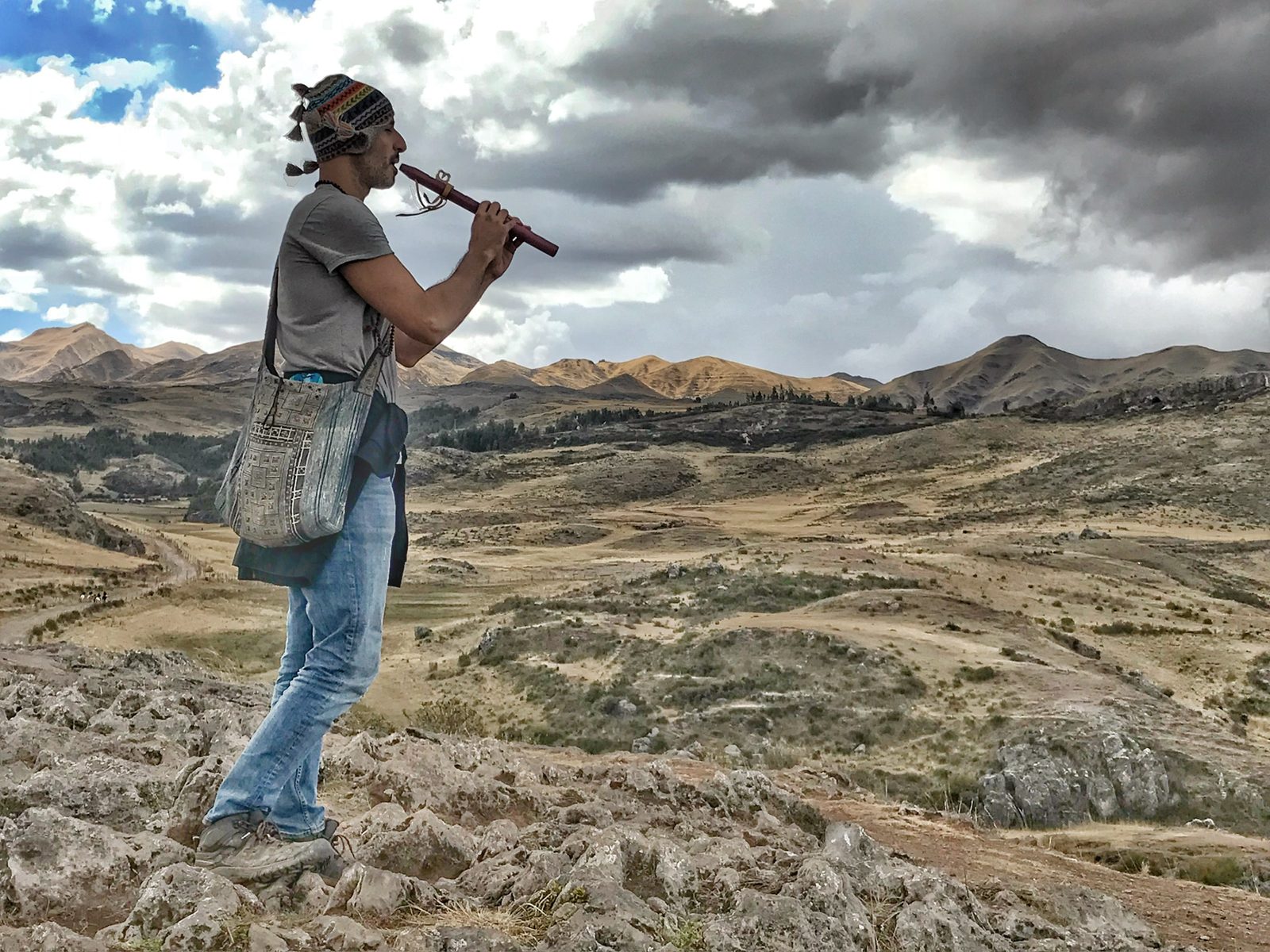
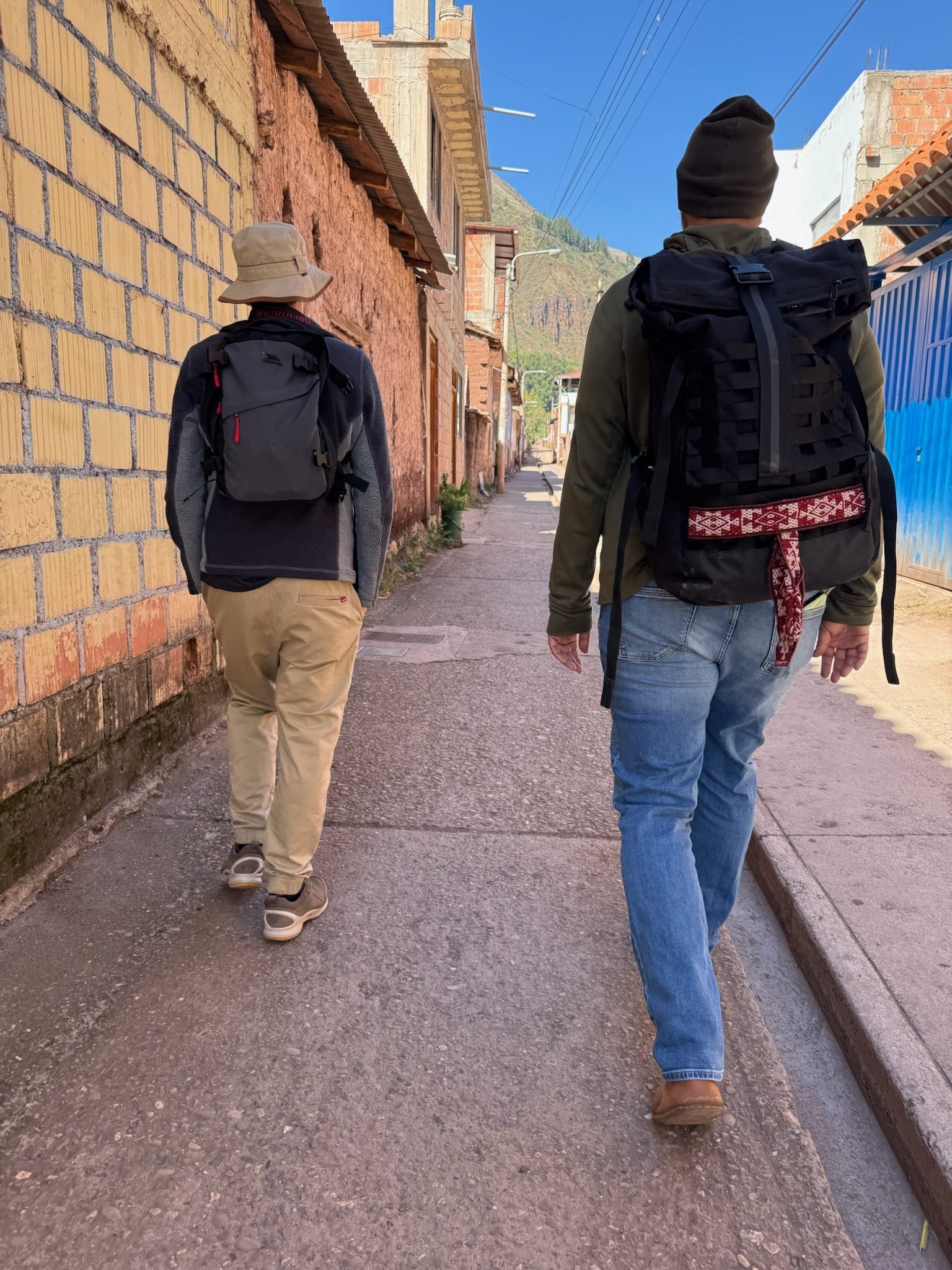
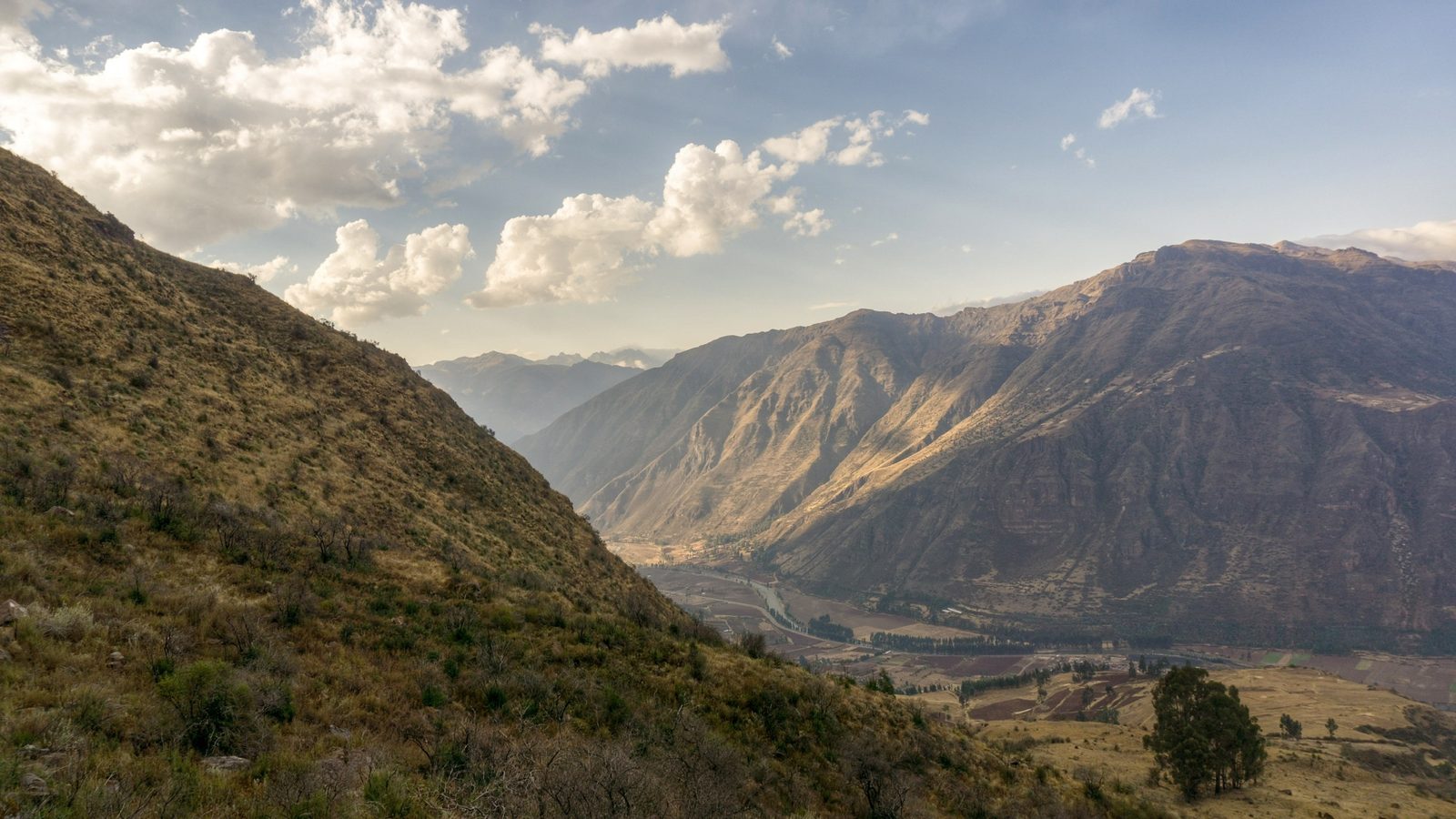
Pisac is a town of cobbled streets under granite peaks, at the lower end of the Sacred Valley. The farmers market runs most mornings with fresh produce, juice, and breakfast made in front of you. On Sundays the main square fills with textiles, carved flutes, and a lane of Andean herbs and incense.
Above the town the old terraces and stonework are still standing, and the irrigation channels cut into them still carry water. The Vilcanota River runs below, on its way to the Amazon.
Fit
Who Comes on This
This is for you if you have been on retreat with us before, or you have worked with Huachuma or Peyote and know these medicines and how they affect them. You want to understand the medicine as well as take it, and you will do the preparation before you arrive. You can walk uphill above nine thousand feet for most of a day, and you have a stable life at home to come back to. You are ready to be uncomfortable at times, and you care about the people you travel with as much as about the medicine.
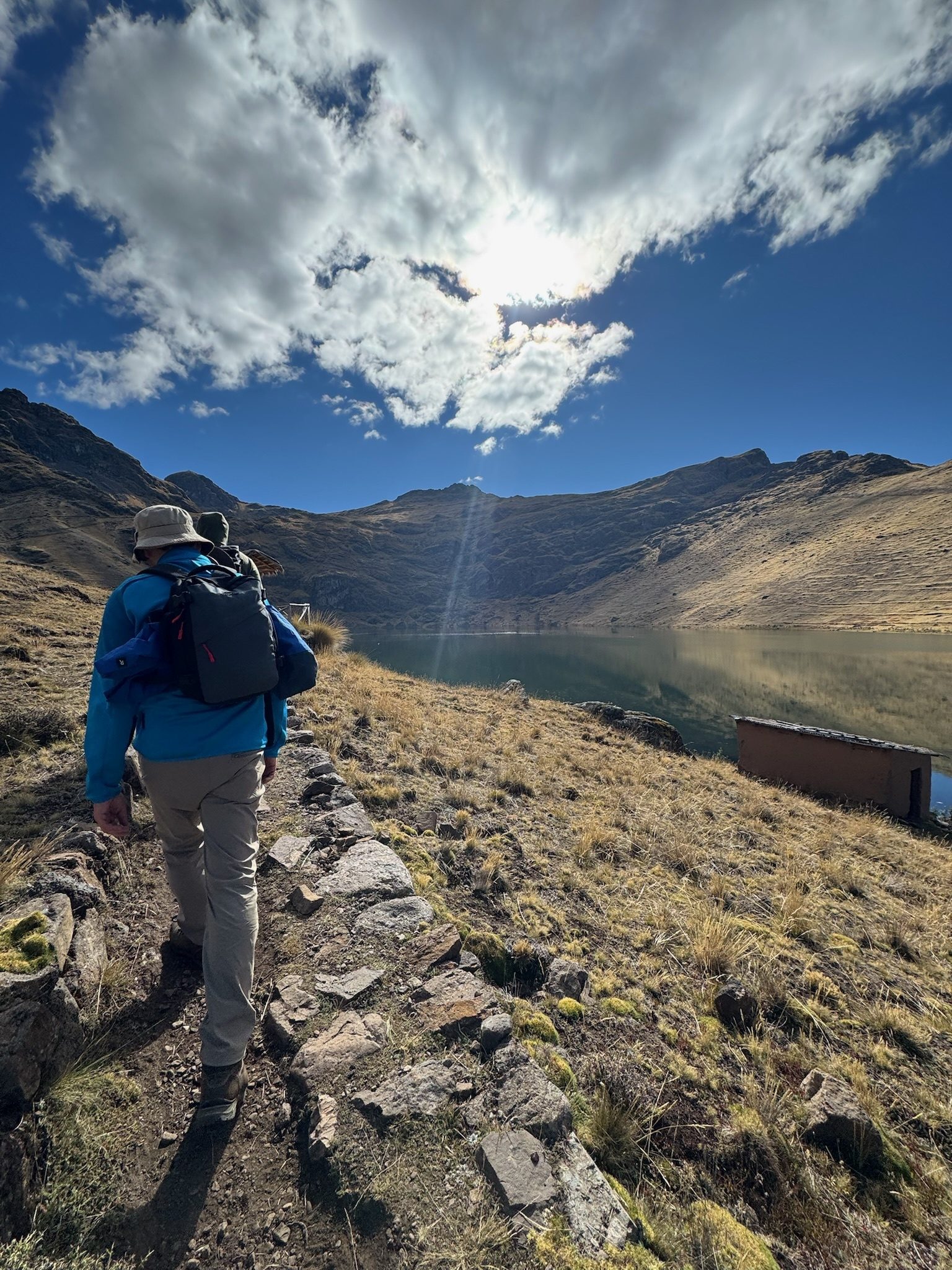
We talk before anything is booked, and that conversation covers your health, your medications and anything else on your mind.
If that is not you yet, apply for the Heart Path, which is open to everyone.
See the Heart PathThe detail
What Is Included
In the Price
The price covers all six months. Before you travel, it covers four weekly preparation calls, the preparation materials and packing lists, and help coordinating flights.
In Peru it covers ten nights in the room you choose, breakfast and dinner together each day, and all ground transport, including airport transfers and the ceremony days. It also covers the three ceremonies with Miguel, the two full days on the mountain and the all night fire, and the visit and planting at the Huachuma Sanctuary, along with optional sound baths, cacao circles and evenings by the fire.
After you get home, it covers the four integration sessions.
What You Arrange Yourself
You book your own flights to and from Cusco, and we help you coordinate them. Lunch is on you too, and it is inexpensive in Pisac. We recommend travel and medical insurance but do not require it.
If the group decides it wants extra activities, such as ecstatic dance, temazcal or more sound work, we make the introductions. Personal shopping is yours.
We can arrange for you to arrive a day early or stay a day late, for a small extra cost.

The 2023 group
In Their Words
People who came in 2023 wrote about the ten days afterward. Every testimonial is printed in full on the testimonials page.
“This retreat to Peru, the love song to the mountains, is the best I have been on. And I have been on many.”
Prayas G., 2023 Group
“Hamid has mastered facilitating with integrity. He is incredibly intuitive and tuned in providing the right amount of support and grounded guidance whilst empowering you and giving you space to do the inner work.”
Saba S., 2023 Group
Read them all“This was my first experience with this type of plant medicine, I had a bit of imposter syndrome in joining our group of incredible individuals who had a deeper understanding of the medicine. However, Hamid and our container welcomed me with open arms and supported me through my journey.”
Joel W., 2023 Group
What it costs
The Price
Prices are per person, for the ten days.
| Shared room | $4,000 |
|---|---|
| Private single with a private bathroom | $5,000 |
| Bungalow or premium suite | $5,400 |
| Two sharing a bungalow or suite, each | $5,000 |
A $500 deposit holds your place once your application is accepted, whichever room you choose. Half of what is left after the deposit is due two months before departure and the other half one month before. On a shared room that is $500, then $1,750, then $1,750.
Paying in full when you book takes $200 off and replaces the deposit, so a shared room comes to $3,800. You can take it whenever you book.
Any profit the company makes returns to the Foundation. The full terms are on our legal page.
Questions
What Are the Dates?
The Fire Path runs June 17 to 27, 2027, ten nights, with nine places. Registration is open.
Do I Need Experience with This Medicine?
Yes. The Fire Path is for people who have been on retreat with us before, or who have worked with Huachuma or Peyote and know these medicines and how they affect them. If that is not you yet, apply for the Heart Path, where the four preparation calls bring everybody to the same starting point.
How Difficult Is It Physically?
Expect several hours uphill above nine thousand feet on the two mountain days, and to be on your feet for most of them. Pisac sits around nine thousand seven hundred feet, and the first ceremony comes after several easy days so your body can catch up. If a knee, a back or a heart is on your mind, say so in the application.
What If I Am Drawn to the Fire Path but Unsure It Is for Me?
Say so in the application. We settle the path, the dates and your preparation together on the call.
What If the Season Is Full When I Apply?
Apply anyway. We will tell you where things stand.
Are Payment Plans Available?
Yes. After the $500 deposit, the balance can be paid in monthly installments instead of the two payments above, with the last one due a month before departure. Ask about it on the call.
Can I Come on My Own?
Most people do. We share a house for ten days, and the four preparation calls mean everyone arrives already knowing everybody.
Do I Need a Visa?
Most travelers from the United States, Canada, the United Kingdom and the EU need no visa to visit Peru as tourists, and your passport needs to be valid for at least six months after you enter the country. Check the current rules for your own passport before you book flights.
Is It Legal?
Ceremonies are held in Peru, in a traditional Andean context, by local practitioners under local custom and law. Nothing crosses a border, and the full statement is on our legal page. What Peru’s law says, source by source, is set out in Is Huachuma Legal in Peru?
Can I Get a Certificate or Facilitator Training?
No. This is a retreat, and what you learn on the calls and in Peru is for your own understanding, so there is no certificate. Training people to hold ceremonies takes a different kind of program.
How to Apply
You apply first, and nothing is paid until we have talked.
The application takes about fifteen minutes. We reply within a few days and set up a call, and after it we both decide. If you want your place, $500 holds it, and the preparation materials follow.
The next step
June 17 to 27, 2027
If the mountains have been on your mind, apply and we will talk.
Questions first? Write to us and we will reply within a few days.